
Last updated September 21, 2026
Full 25-point door and opener safety check with every visit - springs, cables, rollers, tracks, and your LiftMaster or Chamberlain opener included
You get a price before we start. It does not change when the truck arrives.
 Before
 After
After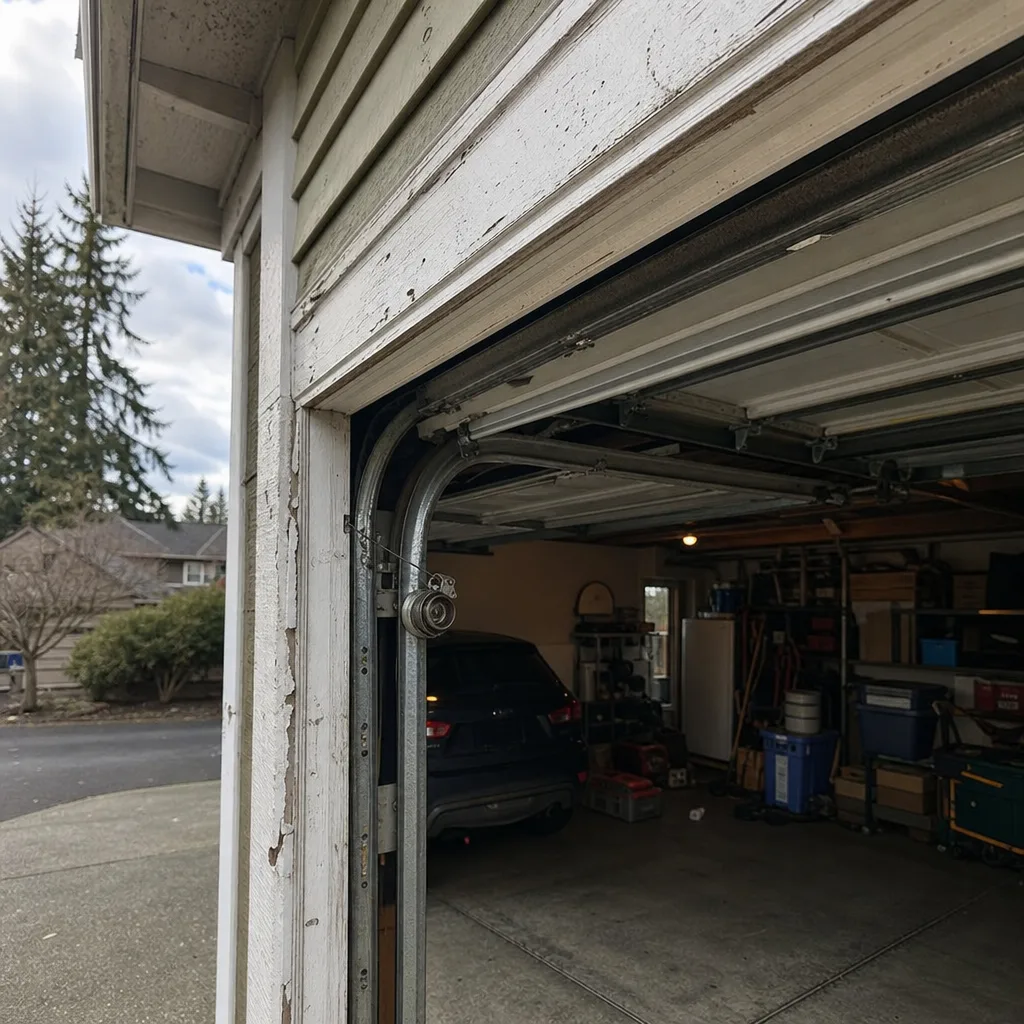 Before
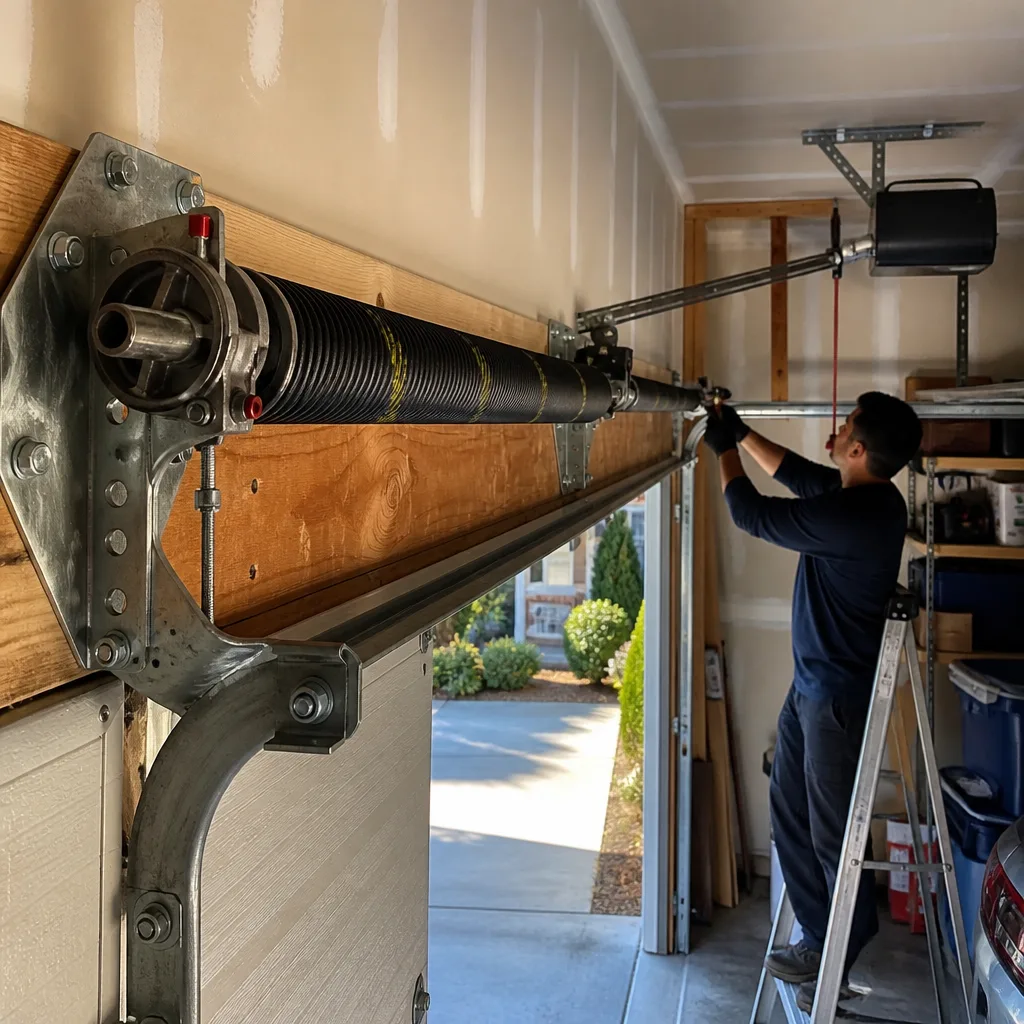 After
After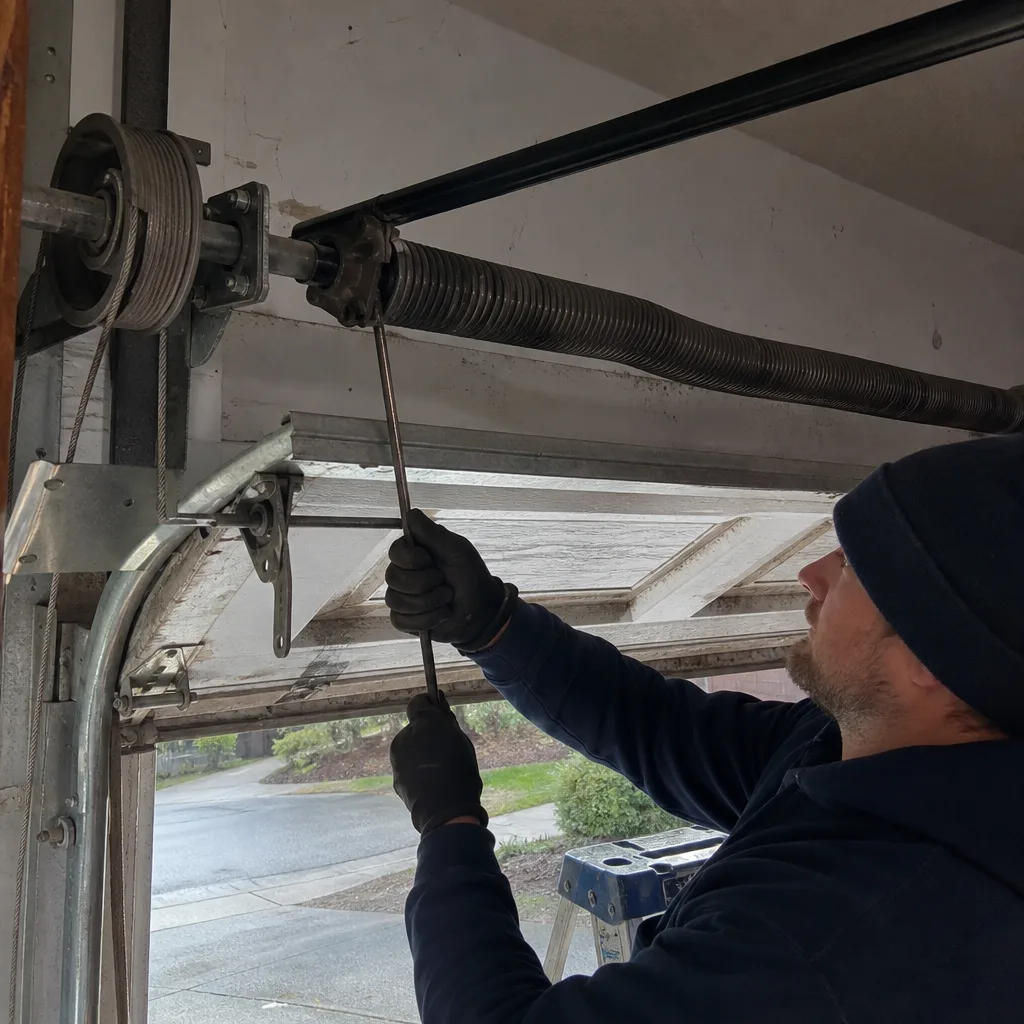 Before
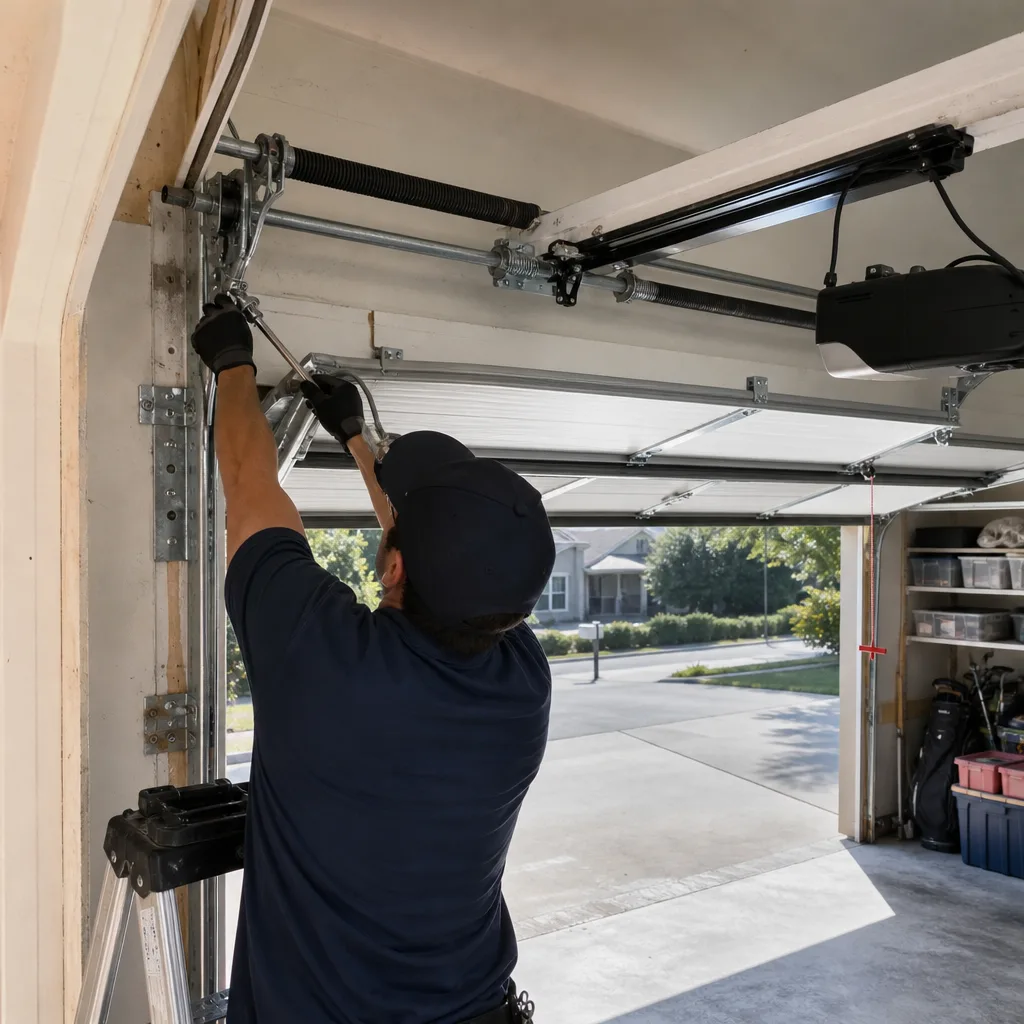 After
AfterGarage Door Permits, Codes & Inspections in WA: What You Need to Know
A garage door swap that took one afternoon can delay a home sale by weeks if the permit wasn’t pulled. Title companies in King County are now flagging unpermitted structural work more aggressively than they were five years ago, and garage door replacements that involve header modifications or electrical work are showing up on preliminary title reports with increasing frequency. In Bellevue, where median home values have climbed past $1.4 million, buyers and their lenders scrutinize permit histories closely. This guide maps the specific triggers so you know before any contractor quotes, whether you’re replacing a failed torsion spring or upsizing to an 18-foot opening for a new EV. For garage door warning signs every Bellevue homeowner should watch for, see our companion reference.
Quick Answer
Most garage door repairs in Washington, including spring replacement, opener repair, and panel swaps, do not require a permit. A full replacement that alters the door width, modifies the header, or changes the electrical supply typically triggers a City of Bellevue permit under Washington State Building Code Section 106. Like-for-like replacements, where the same size and type of door goes back into the existing frame, usually qualify as ordinary maintenance and can proceed without municipal review. Our Garage Door Repair Maintenance Checklist for Bellevue Homeowners covers routine upkeep that keeps these simple swaps rare.
Table of Contents
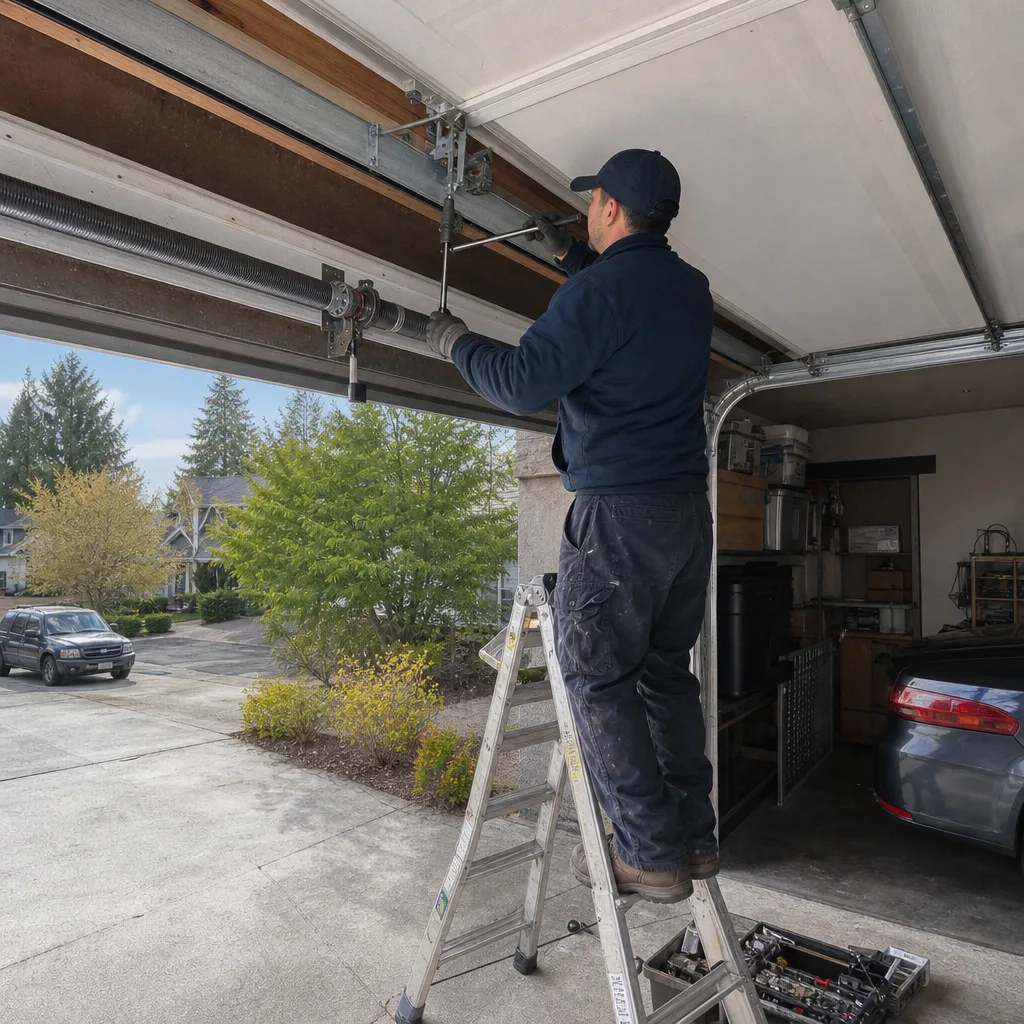
- When Is a Garage Door Permit Required in Washington?
- The City of Bellevue Permit Process: Step by Step
- When Header Modifications Trigger Structural Permits
- Homeowner-Pulled vs. Contractor-Pulled Permits
- How to Verify a Permit Was Actually Pulled
- HOA Approval: The Separate Track Bellevue Homeowners Forget
- What the Inspection Sequence Actually Looks Like
- Common Mistakes to Avoid
- When to Call a Professional
- Frequently Asked Questions
- The Bottom Line
 Before
 After
AfterWhen Is a Garage Door Permit Required in Washington?
Washington State Building Code Section 106 establishes the baseline: work that alters the structure, changes the means of egress, or modifies electrical systems requires a permit. For garage doors, this creates a clear but often misunderstood dividing line.
Work that typically does NOT require a permit:
- Replacing a broken torsion spring or extension spring with the same specification
- Swapping a failed garage door opener for a like-kind unit on the existing outlet and support bracket
- Replacing damaged panels with OEM panels of identical dimensions
- Adjusting or replacing cables, rollers, hinges, or weatherstripping
- Lubrication, balance adjustment, and safety sensor realignment
Work that typically DOES require a permit:
- Installing a new door in a different width or height than the existing opening
- Modifying or replacing the header above the door opening
- Adding a new electrical circuit or relocating the opener’s power source
- Converting a windowed door to a solid door or vice versa when the change affects egress or natural light requirements in an accessory dwelling unit
- Any work in a home that serves as an accessory dwelling unit (ADU) where the garage provides required egress
The City of Bellevue applies these state standards with local amendments. Bellevue’s amended code requires permits for any garage door replacement where the rough opening dimensions change, even by a fraction of an inch. We’ve seen homeowners in the Somerset and Newport Hills neighborhoods assume that going from a 16-foot to an 18-foot door, using the same header with minor trimming, would slide through as maintenance. It doesn’t. The moment you cut into that header, you’ve crossed into structural work.
Bellevue’s climate adds a practical layer. The wet winters and occasional freeze-thaw cycles mean headers in older homes, particularly those built during the 1960s and 1970s building boom, often show moisture damage that isn’t visible until the track comes down. A contractor who discovers rotted header lumber mid-project must stop work and revise the permit scope, or risk failing inspection. This is why we photograph the full opening, including the header condition, before quoting any replacement in Bellevue homes built before 1990. Clause 4 of The Haven Standard requires it, and the photo record protects both parties if concealed damage changes the scope.
The City of Bellevue Permit Process: Step by Step
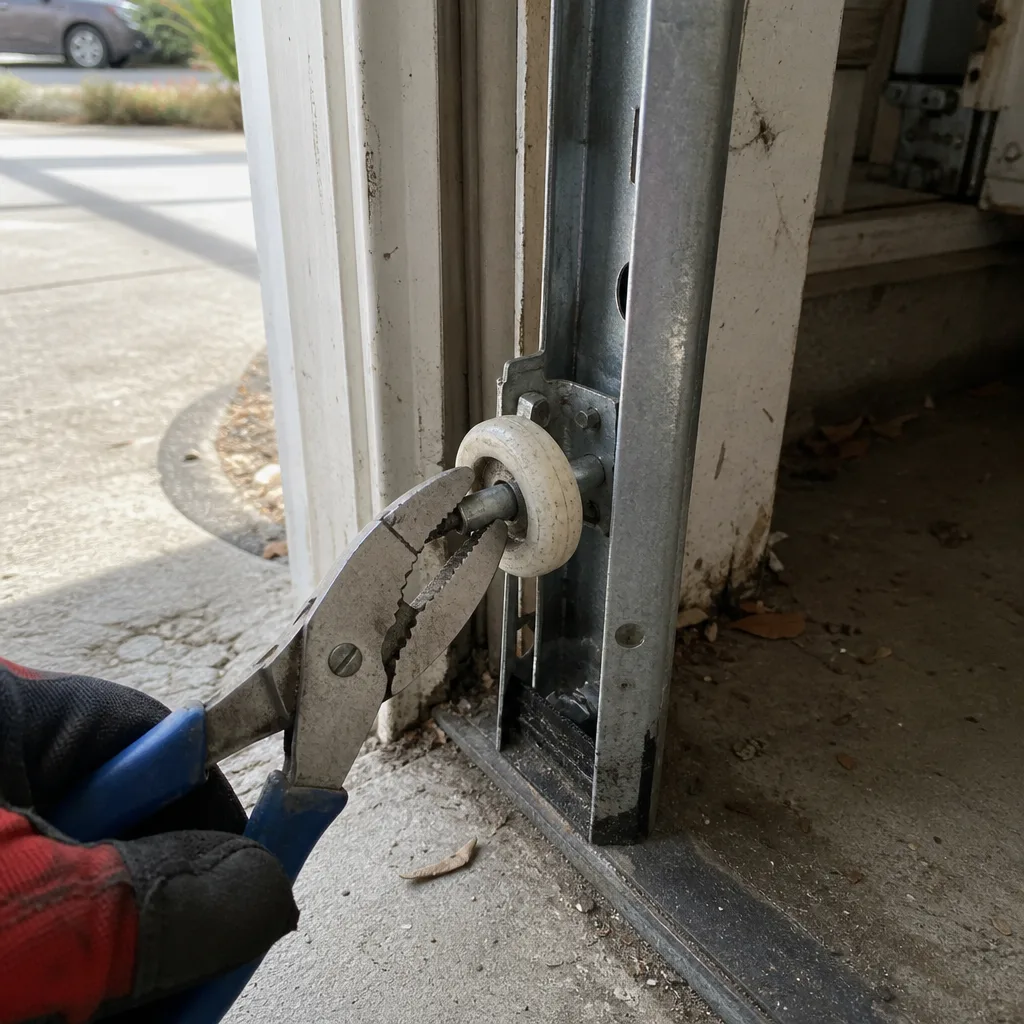
Bellevue uses the same online permitting system as most King County jurisdictions, but the review timeline and inspection scheduling have local quirks worth understanding before you start.
- Determine permit type. A standard garage door replacement with no structural changes typically needs a Building Permit, Minor Work. If you’re modifying the header, upgrading the electrical, or changing the opening size, you’ll need a full Building Permit, which routes through structural and electrical plan review.
- Prepare documentation. For minor work: door specifications, manufacturer cut sheet, and a site plan showing the garage location on the lot. For full permits: structural calculations for the header (engineer-stamped if you’re removing or reducing supporting members), electrical plans if applicable, and energy compliance documentation. Bellevue requires compliance with the Washington State Energy Code, which affects door U-factor and glazing area if your door includes windows.
- Submit online. Bellevue’s MyBuildingPermit portal accepts applications 24 hours a day. The base fee for a minor work permit in 2025 is $237, with surcharges for plan review if structural or electrical review is required. Full building permits start at $487 for residential projects under $5,000 in valuation.
- Await review. Minor work permits typically review in 3-5 business days. Full permits with structural review take 10-15 business days in Bellevue, longer during spring and summer peak seasons. The city does not offer expedited review for residential garage door permits.
- Receive permit and schedule inspections. Once issued, you have 180 days to call for the first inspection. Bellevue requires a pre-cover inspection for any header work, a rough electrical inspection if you pulled an electrical permit, and a final inspection for all permitted garage door work.
- Pass final inspection and receive certificate of completion. This document is what title companies look for. An open or expired permit shows as a cloud on title.
Bellevue’s inspection scheduling runs through the same portal. Same-day inspections are not available; you must schedule by 3:00 PM the prior business day. For homeowners in the Bridle Trails or Clyde Hill areas where contractors may be juggling multiple jobs, this scheduling requirement means your project timeline needs buffer days built in.
When Header Modifications Trigger Structural Permits
The header above your garage door carries the load of the wall, roof, and any living space above. In Bellevue’s hilly terrain, many homes have garages tucked into slopes with significant soil pressure on the rear wall, making header integrity especially critical.
A like-for-like replacement uses the existing header without cutting, notching, or sistering new lumber. The new door hangs on the same jambs, the same rough opening, the same structural support. No structural permit required.
A header modification occurs when you:
- Widen the opening, which requires removing the existing header and installing a longer one with adequate bearing on each side
- Raise the door height, which may require shortening jack studs or modifying the header elevation
- Replace a damaged header, even at the same dimensions, because the removal and replacement constitutes structural work
- Sister new lumber to an existing header to support a heavier door, such as switching from a hollow steel door to a solid wood or insulated composite door that exceeds the original load calculation
The inspection sequence for header work in Bellevue includes three touchpoints. First, the pre-cover inspection verifies the new header size, species, grade, and fastening against the approved plans. The inspector will check bearing length, typically a minimum of 1.5 inches on each jack stud, and verify that any required hangers or straps are installed. Second, if the header supports a load-bearing wall with living space above, a mid-point inspection may be required before drywall or finish materials close in the area. Third, the final inspection confirms the completed installation, including door operation, safety features, and structural connections.
We’ve replaced headers in Bellevue homes where the original construction used a single 2×10 header for a 16-foot opening, adequate for the lightweight uninsulated doors of the 1970s but insufficient for a modern insulated steel door with a LiftMaster 8500W wall-mount opener. The wall-mount opener adds point loads at the spring anchor bracket that the original header was never designed to carry. In these cases, we specify a double 2×12 LVL header with proper bearing, and we pull the structural permit before arriving on site. Starting work without that permit in hand means stopping mid-job if the inspector catches it, and Bellevue’s active code enforcement in the Lake Hills and Crossroads neighborhoods makes that risk real.
Homeowner-Pulled vs. Contractor-Pulled Permits
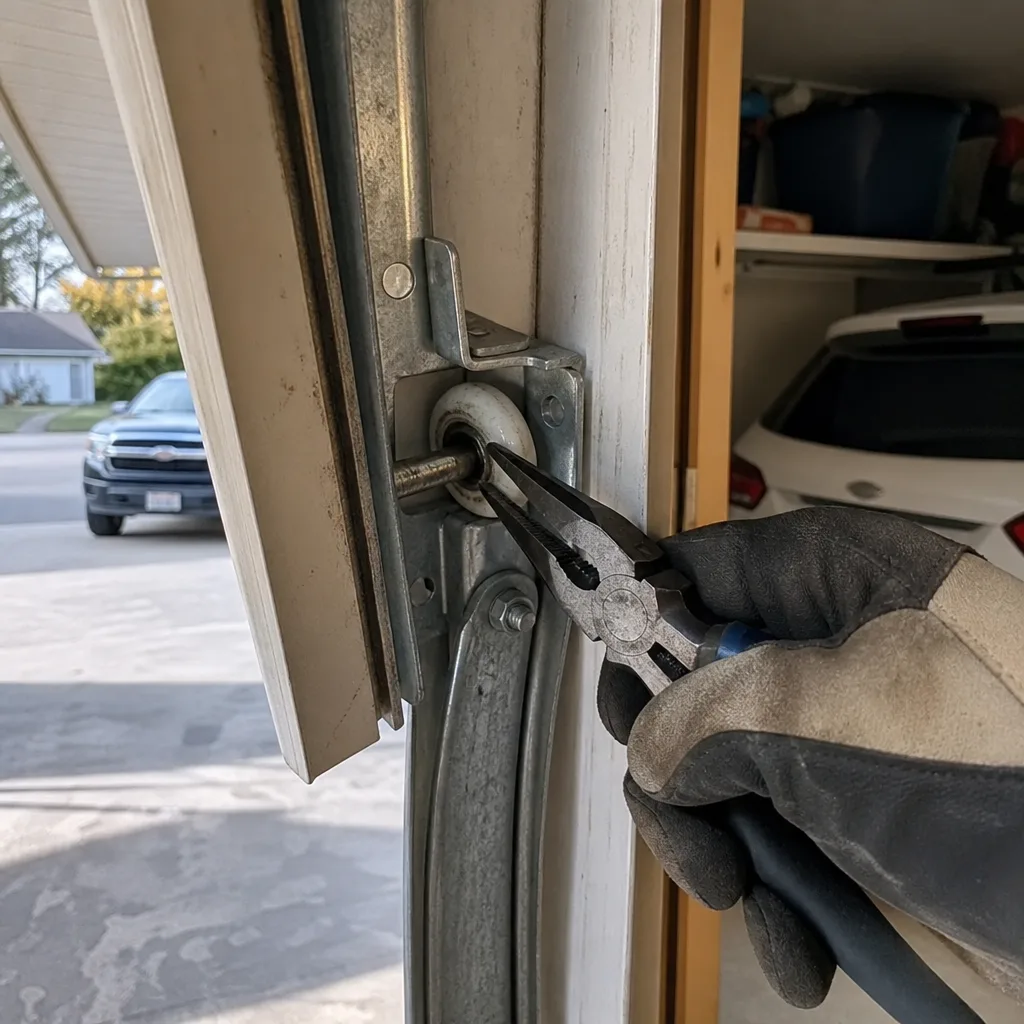
Washington allows homeowners to pull their own permits for work on their primary residence. This option exists for DIY projects, but it carries liability implications that many Bellevue homeowners don’t discover until something goes wrong.
Homeowner-pulled permit: You are the responsible party. If the work fails inspection, you must correct it. If the contractor you hired disappears, you own the open permit. If structural damage occurs later, your homeowner’s insurance may deny coverage for work performed under an owner-permit where a licensed contractor should have held the permit. Bellevue’s permit application for owner-builders includes a signed acknowledgment of these responsibilities.
Contractor-pulled permit: The licensed contractor holds responsibility for code compliance, inspection scheduling, and corrective work. Their license bond and insurance backstop failures. The permit record ties to their contractor number, creating accountability.
For garage door work, the dividing line is practical. Simple like-for-like replacements don’t need permits at all, so the question doesn’t arise. When a permit is required, we pull it as the contractor. Our license number goes on the application, our insurance certificate gets filed, and we schedule inspections around your availability. If a Bellevue inspector flags an issue, we return to correct it at our cost, per the 365-Day Done Right Promise. An owner who pulled their own permit would need to coordinate that return trip themselves, or pay another contractor to fix the first contractor’s work.
The liability exposure is particularly acute for header modifications. A failed header can damage the wall above, the roof diaphragm, or finished interior spaces. If that failure traces to permit work performed under an owner-permit, the owner’s policy may classify it as unlicensed contractor work and deny the claim. We’ve reviewed competitor estimates where the fine print notes “permit to be pulled by homeowner” - a red flag that transfers risk without reducing price.
How to Verify a Permit Was Actually Pulled
Not every contractor who says they pulled a permit actually did. Verifying after the fact is straightforward and worth doing before you pay the final invoice, especially if you plan to sell within five years.
- Access King County’s permit records. The King County Assessor’s property search links to permit history for most jurisdictions, including Bellevue. Enter your address and select “Permits” from the property details menu.
- Check the City of Bellevue directly. Bellevue’s permit history search provides more detail than the county aggregation, including inspection dates and results.
- Look for a “Closed” or “Final” status. An open permit means inspections weren’t completed. An expired permit means the work wasn’t finished within the required timeframe. Both create title problems.
- Verify the permit matches the work. A permit for “garage door opener replacement” doesn’t cover header modification, even if both happened. The scope on the permit must encompass all work performed.
- Request the certificate of completion. Your contractor should provide this document after final inspection. We include it with every permitted job’s closing paperwork, alongside the photo record and final invoice.
We’ve been called to Bellevue homes where the previous owner’s contractor performed a full door-and-header replacement three years prior, told the owner permits were “handled,” and nothing appeared in the city database. The current owner discovered this during pre-listing due diligence. Remediating an unpermitted structural modification after the fact requires either a retroactive permit application with as-built drawings, or removal and reinstallation under a new permit. Both options cost more than doing it right the first time.
If you’re buying a home in Bellevue, add permit verification to your inspection checklist. The Bellevue area’s active market means some sellers cut corners on documentation. A $20,000 garage renovation with no permit record is a negotiating point, or a reason to walk away.
HOA Approval: The Separate Track Bellevue Homeowners Forget
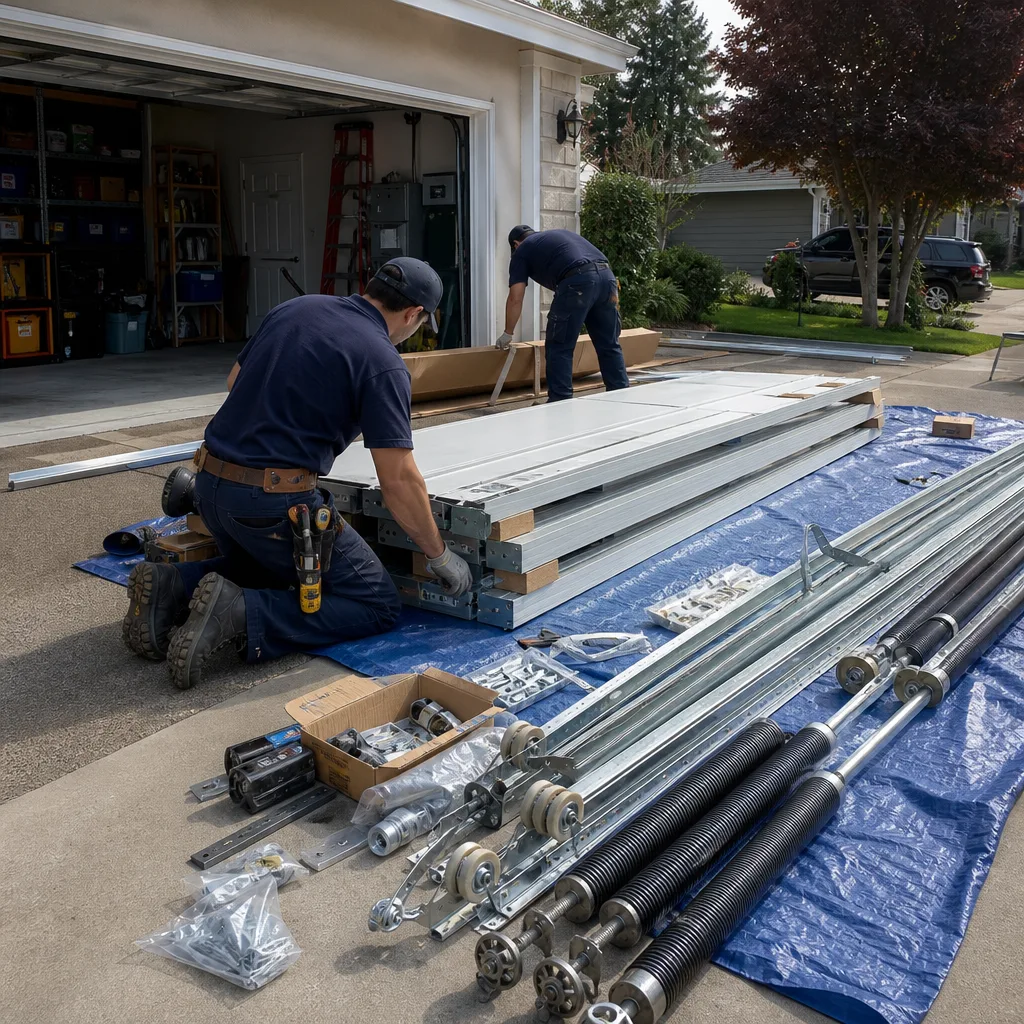
Municipal permits and HOA approvals operate on parallel tracks. Satisfying one does not satisfy the other, and Bellevue’s concentration of planned communities means many homeowners face both.
Bellevue-area HOAs, particularly in developments like Somerset, Newport Shores, and the newer townhome communities near Downtown Bellevue, typically require written architectural review for any exterior door change. The review criteria usually include:
- Door style and material consistency with the community design guidelines
- Color approval, often from a specified palette
- Window placement and glazing percentage limits
- Hardware finish and style
- Prohibition of certain brands or styles deemed inconsistent with neighborhood character
The timeline is the friction point. HOA architectural committees in Bellevue often meet monthly, with submission deadlines two weeks prior. A homeowner who schedules a contractor for next week, then discovers the HOA requires 30-day review, faces cancellation fees or unpermitted work.
We require HOA approval documentation before scheduling any replacement in a governed community. Not because we’re enthusiastic about bureaucracy, but because we’ve arrived on site in the Bridle Trails area to find a homeowner who “didn’t think it applied to garage doors.” It does. The fine for unapproved exterior modifications in some Bellevue HOAs runs $500 per week until corrected, with the option to require removal and restoration at the owner’s expense.
Some HOAs also maintain separate insurance requirements for contractors, above and beyond the state minimums. We carry documentation of our coverage for every job, but homeowners should verify their specific HOA’s certificate of insurance requirements before any work begins.
What the Inspection Sequence Actually Looks Like
Understanding what happens during inspection helps set expectations and avoid the common failure points that trigger re-inspection fees.
For a minor work permit (like-for-like replacement with electrical):
- Final inspection only: inspector verifies door operation, safety sensor function, emergency release operation, and electrical connection to existing outlet
- Typical duration: 15-20 minutes
- Common failure points: safety sensors misaligned, photo eye not within 6 inches of floor, opener force settings not tested, missing disconnect label
For a full building permit with header modification:
- Pre-cover inspection: header size, species, grade, and connections verified against approved plans; bearing length checked; fasteners inspected
- Rough electrical (if applicable): new circuit, GFCI protection, conduit routing
- Final inspection: structural completion, door operation, all safety features, electrical final
- Typical duration: 20-30 minutes per inspection
- Common failure points: header bearing insufficient, jack studs not continuous to floor, missing Simpson Strong-Tie or equivalent connectors, opener force settings excessive, safety sensors not responding to 2×4 test
Bellevue inspectors are thorough but not adversarial. They want to see that the work matches the approved plans and meets minimum safety standards. The most frequent re-inspection we see results from contractors who treat the final inspection as a formality rather than a verification step. A door that “works fine” but hasn’t had its force settings tested with a scale, or safety sensors that “look aligned” but fail the 2×4 obstruction test, will fail.
We test every installation to the inspection standard before calling for review. The photo record includes images of the force test reading, the safety sensor alignment, and the disconnect label placement. If an inspector has a question, we have evidence. This traces back to Clause 4: the customer sees what was found and what was done, and so does any third party who reviews the file.
Common Mistakes to Avoid
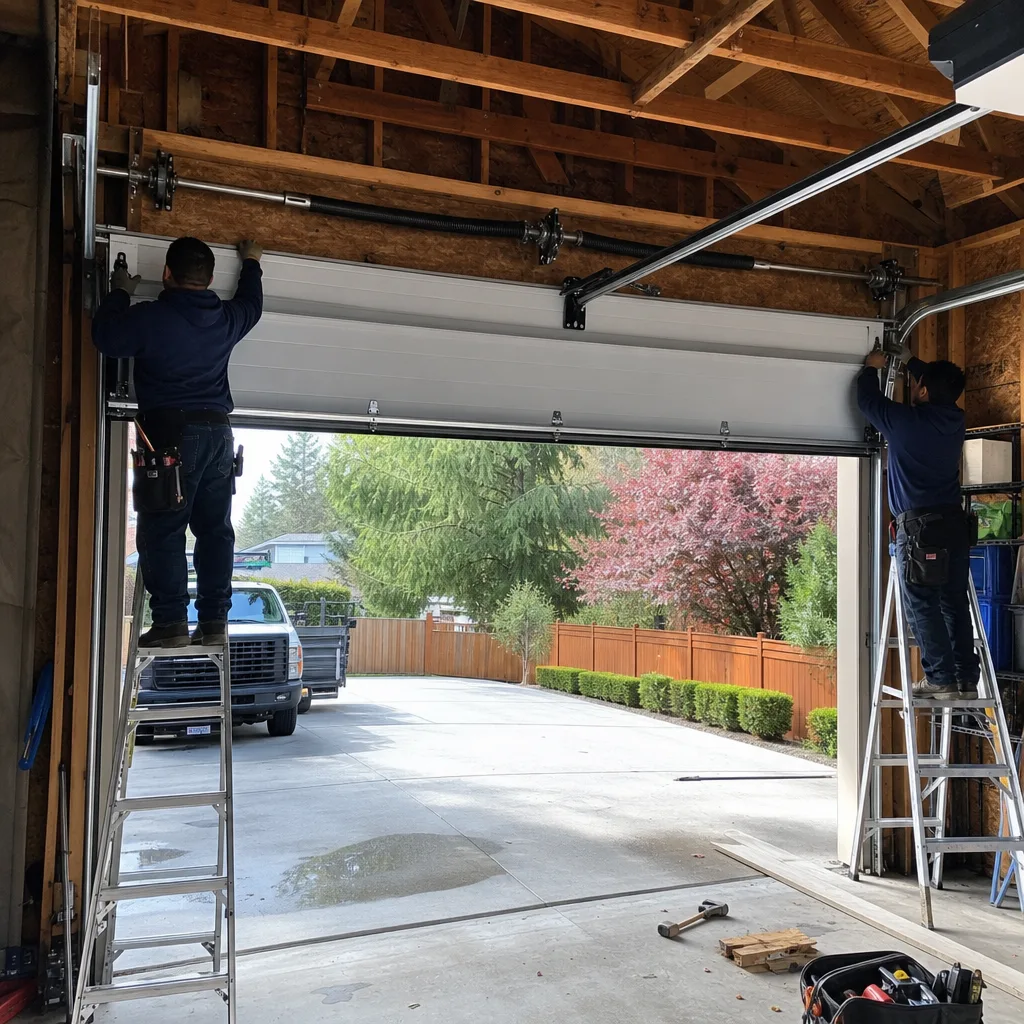
- Assuming “same size” means no permit. A door labeled 16×7 by two different manufacturers may have different rough opening requirements. If the new door needs even a 1-inch frame modification, Bellevue requires a permit. Measure the rough opening, not the door slab.
- Letting the contractor “handle permits” without verification. Verbal assurance means nothing. Request the permit number before work starts, and verify it in the city database. We’ve cleaned up after Bellevue contractors who pocketed the permit fee and never filed.
- Ignoring HOA requirements until after installation. The City of Bellevue doesn’t enforce HOA rules, and your permit approval doesn’t protect you from HOA fines. Submit architectural applications before ordering the door.
- Failing to disclose ADU status. If your garage has been converted to living space or serves as required egress for an accessory dwelling unit, standard garage door exemptions may not apply. Bellevue’s ADU code amendments have stricter requirements for egress doors and natural light.
- Accepting “permit not required” for header work. Any cutting, notching, or replacement of the header is structural work. A contractor who suggests otherwise is either uninformed or avoiding accountability. Either way, find a different contractor.
- Not requesting the certificate of completion. An approved permit with open inspections is functionally the same as no permit for title purposes. The closed permit with final approval is what you need for resale.
- DIY electrical work on owner-permits. Washington requires electrical permits to be performed by licensed electricians or homeowners on their own primary residence. If you’re not comfortable with load calculations, GFCI requirements, and arc-fault protection rules, hire a licensed electrician or a garage door contractor who employs one.
When to Call a Professional
Call a licensed garage door contractor when your project involves permits, structural modifications, or any work you’re not certain how to document for resale. If you’re evaluating bids, our step-by-step guide to hiring a garage door contractor in Bellevue walks through the vetting process. The cost of professional permitting and inspection is typically 10-15% of project value, far less than the cost of remediating an unpermitted installation discovered during a title search.
Specific scenarios where professional involvement is essential: header modification of any kind; door upsizing or downsizing; electrical circuit additions; work in ADU garages; any project where HOA approval is required; and any situation where you need a closed permit record for a pending or future home sale.
Servo Garage Doors Bellevue offers free estimates in Bellevue and surrounding King County communities. Every estimate includes a written scope, a flat price, and documentation of whether your specific project requires permitting. If permits are needed, we pull them, schedule inspections, and deliver the certificate of completion with your closing paperwork. Call (425) 696-3561 to schedule.
Frequently Asked Questions
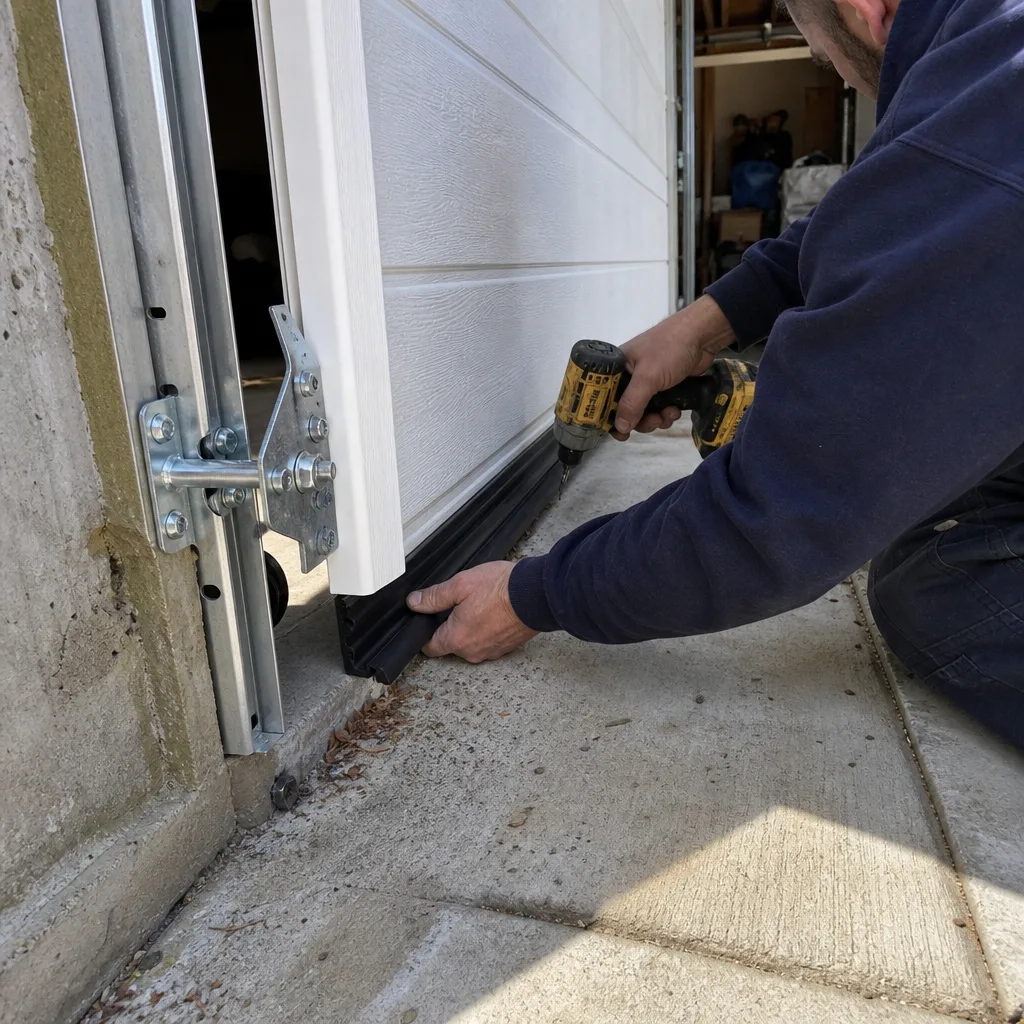
A like-for-like replacement of the same dimensions typically does not require a permit in Bellevue. Any change to the rough opening size, header, or electrical supply triggers a permit under Washington State Building Code Section 106. Call (425) 696-3561 for a free estimate and we’ll confirm your specific project’s permit status before quoting.
Bellevue’s minor work permit base fee is $237 as of 2025, with full building permits starting at $487 for residential projects under $5,000 in valuation. Structural or electrical plan review adds surcharges. These fees are separate from inspection fees and contractor charges. We include permit costs in our written estimates when applicable, per Clause 1 of The Haven Standard.
Yes, Washington allows homeowners to pull permits for work on their primary residence. However, you assume full liability for code compliance and inspection passage. For structural or electrical work, we recommend having your licensed contractor pull the permit so their bond and insurance backstop any issues. We’ve corrected failed owner-permit inspections that cost homeowners more than the original contractor would have charged.
Search the City of Bellevue permit history database or the King County Assessor’s property search for your address. Look for permits with “Closed” or “Final” status. An open or expired permit creates a title cloud. If you find no record for work that should have been permitted, contact the contractor in writing to request the permit number, or consult a real estate attorney if you’re preparing to sell.
Minor work permits in Bellevue typically review in 3-5 business days; full permits with structural review take 10-15 business days. We factor permit timelines into our scheduling and do not begin work until permits are issued. Rushing ahead without a permit risks stop-work orders and doubled fees. For time-sensitive situations, we can often schedule the site visit and material ordering during permit review to minimize total project duration.
Title companies increasingly flag unpermitted structural work on preliminary title reports. You may be required to obtain a retroactive permit with as-built drawings, or in some cases, remove and reinstall the door under a new permit. Both options cost significantly more than original permitted work. In Bellevue’s competitive market, buyers may walk away or demand price reductions exceeding the remediation cost.
Most Bellevue-area HOAs require written architectural approval for exterior door changes, independent of municipal permits. Approval timelines typically run 2-4 weeks. We require documented HOA approval before scheduling any replacement in a governed community. Starting without approval risks fines of $500 per week or more, plus potential removal requirements.
The Bottom Line
Washington’s permit threshold for garage doors is narrower than most homeowners assume, but the consequences of missing it are widening. A full replacement in Bellevue that modifies the header, changes the opening size, or adds electrical work requires a permit under state and local code. Like-for-like repairs and replacements on existing openings generally do not. The critical step is knowing which category your project falls into before any contractor quotes, and verifying that permits are pulled, inspected, and closed before you pay in full. Browse our more guides & resources for deeper coverage of Bellevue garage door regulations and best practices. In a market where title companies scrutinize permit histories and buyers research before offering, the paper trail isn’t bureaucracy - it’s asset protection.
Written by Marcus Deller, Owner at Servo Garage Doors Bellevue, serving Bellevue since 2015.