
Last updated September 21, 2026
Full 25-point door and opener safety check with every visit - springs, cables, rollers, tracks, and your LiftMaster or Chamberlain opener included
You get a price before we start. It does not change when the truck arrives.


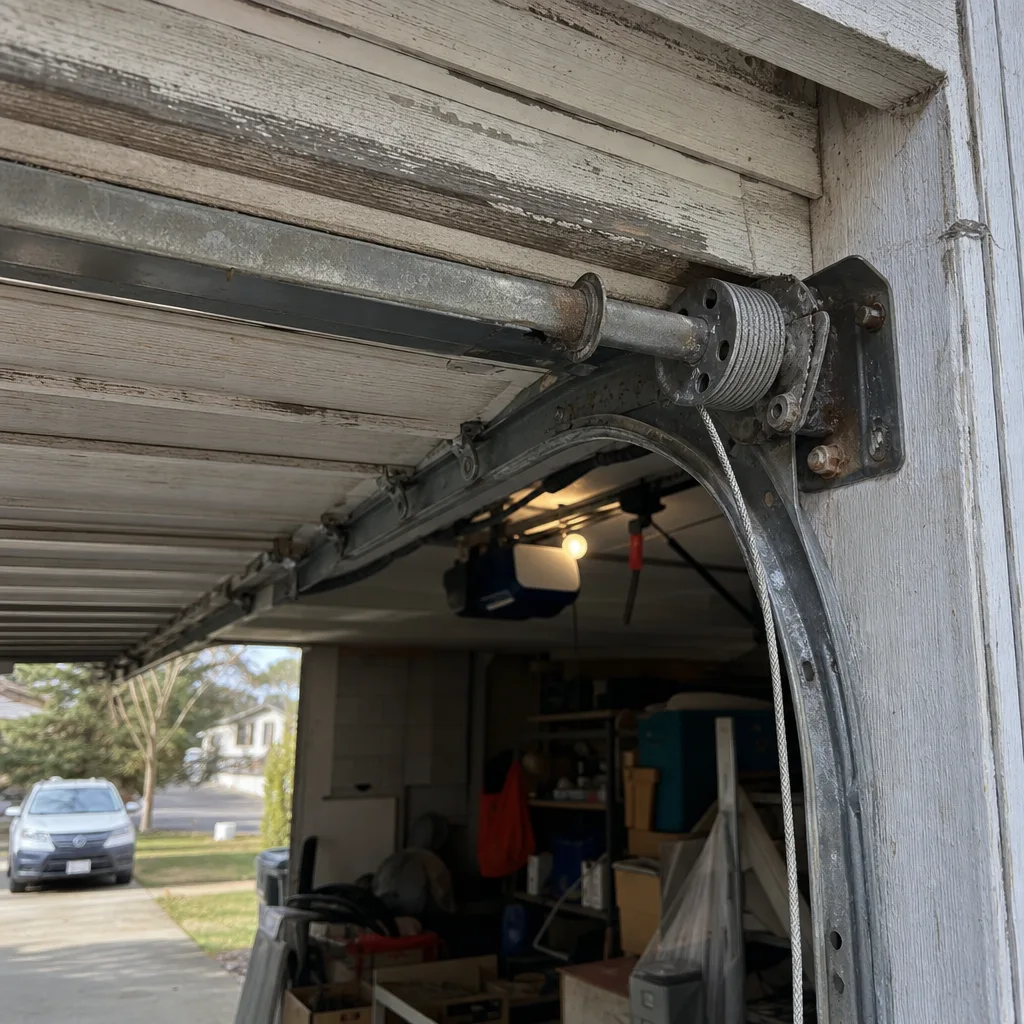 Before
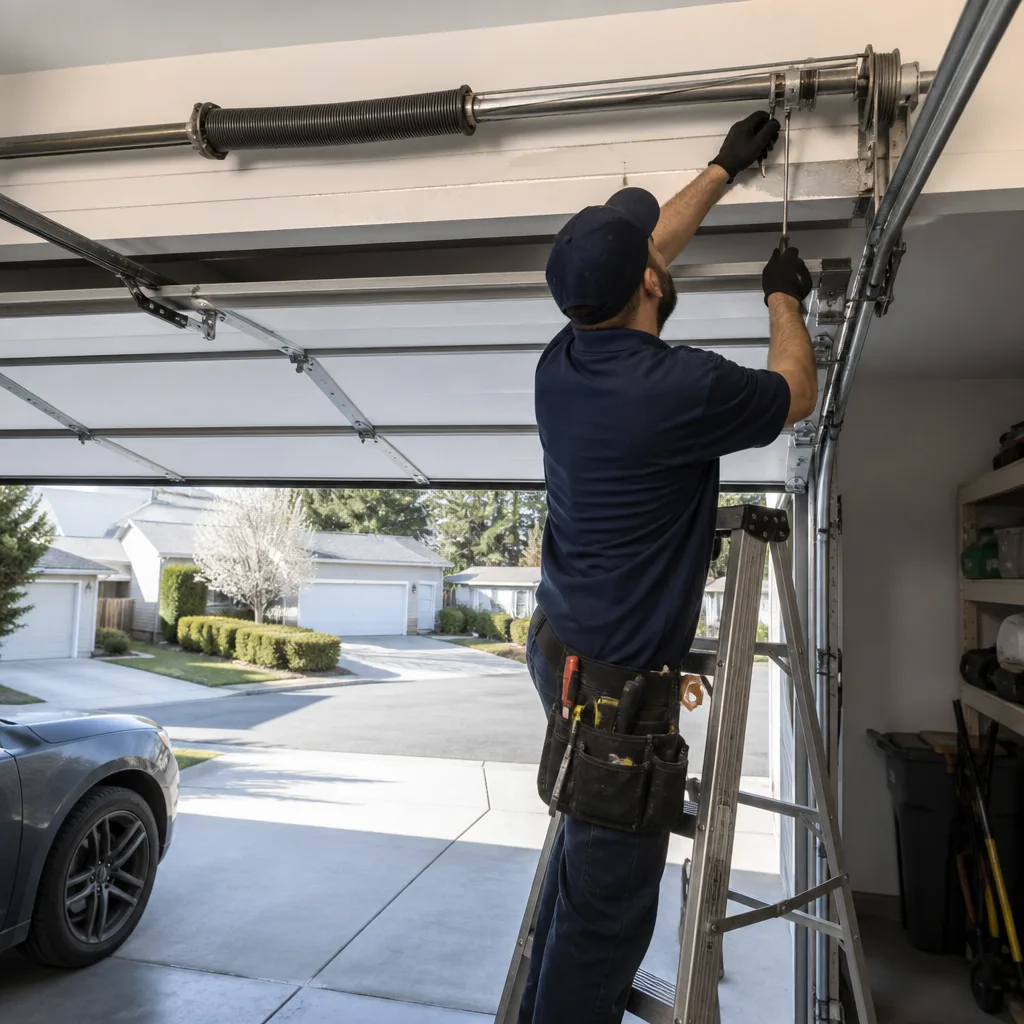 After
After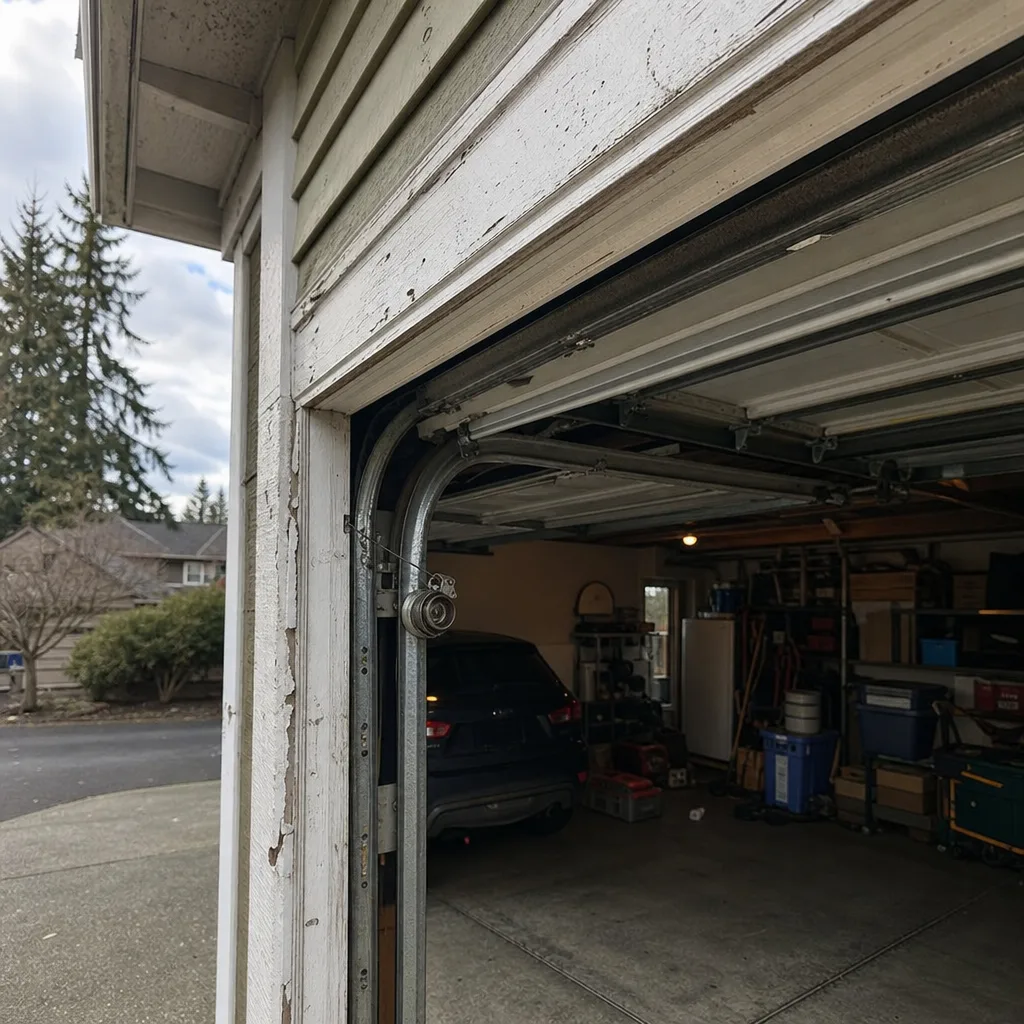 Before
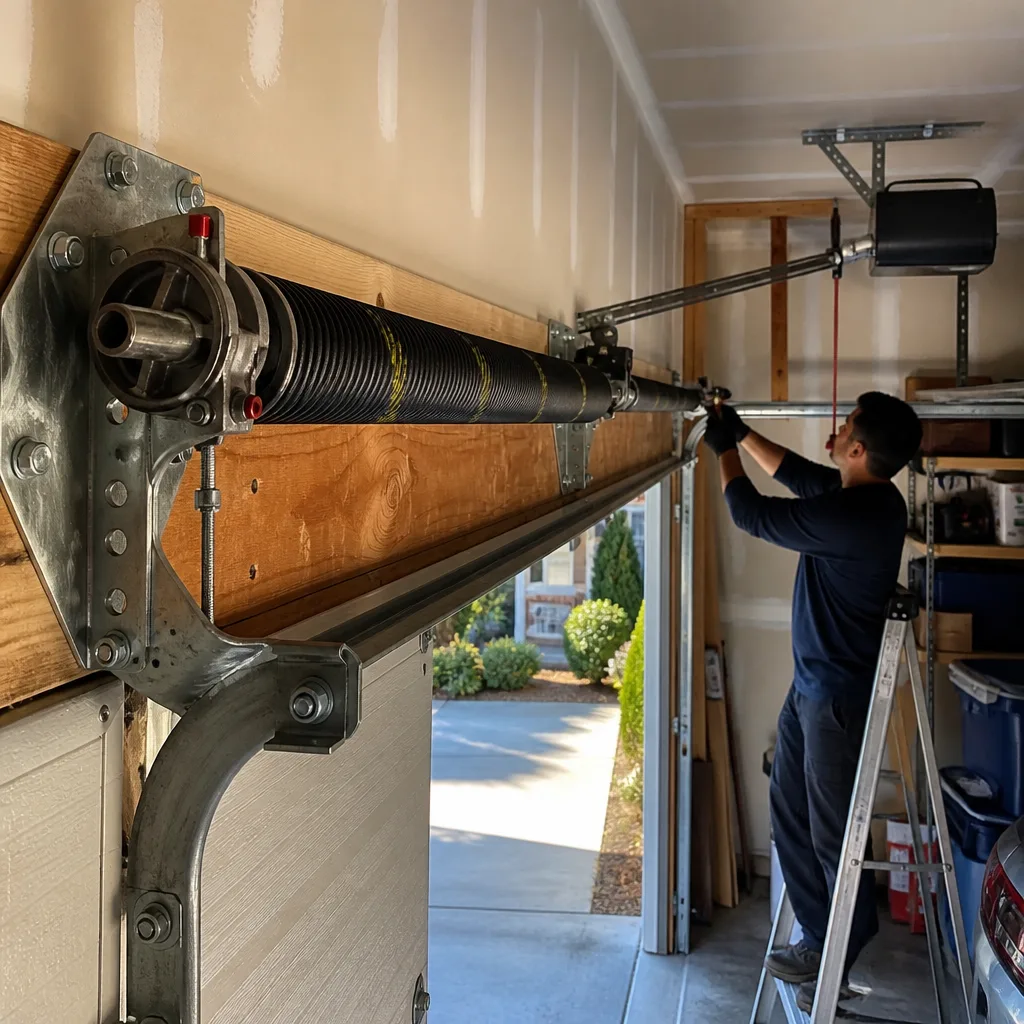 After
After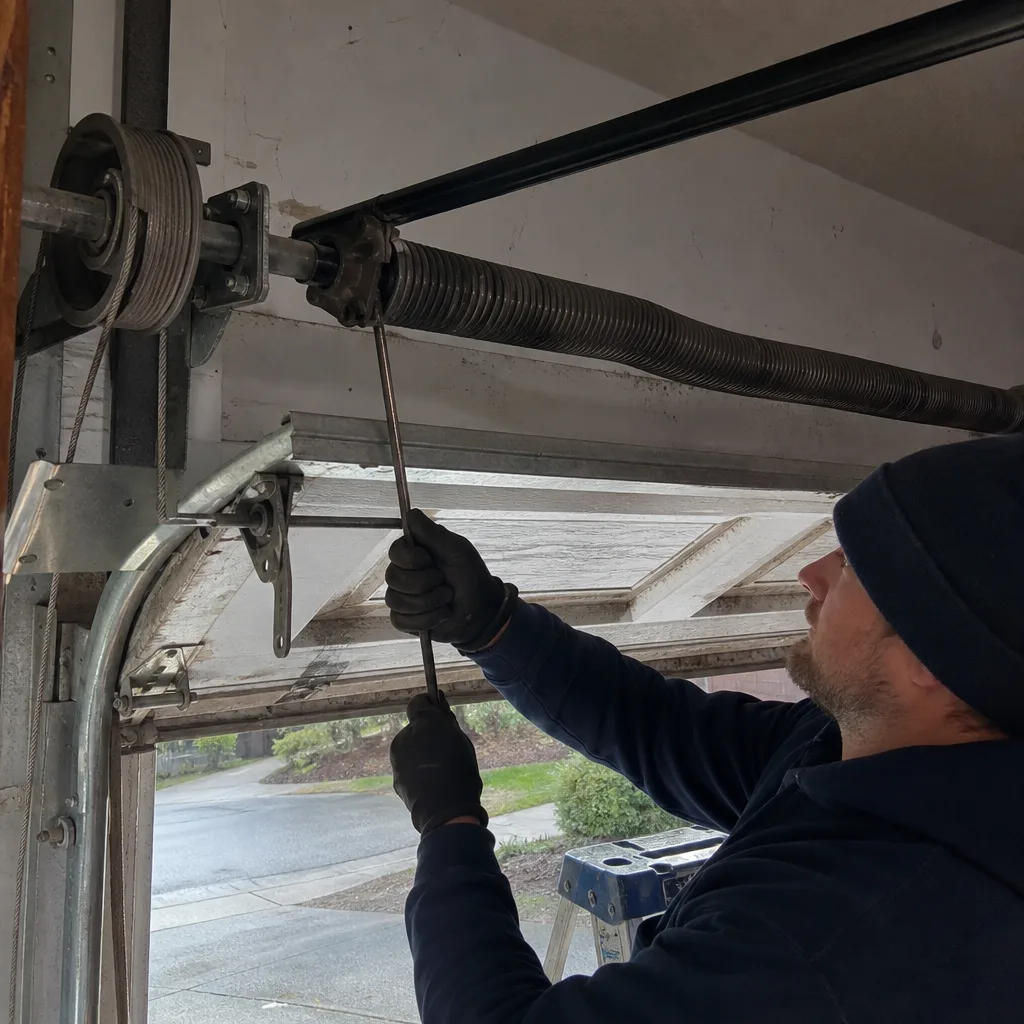 Before
 After
AfterHow to Hire a Garage Door Contractor in Bellevue: A Step-by-Step Guide
Washington State requires a contractor license for garage door installation, but nothing on a Yelp listing tells you whether the person showing up holds one. In Bellevue, we’ve seen homeowners burned by verbal quotes that jumped 40% at installation, unlicensed technicians handling high-tension torsion springs, and generic “compatible” parts marked up 300% without disclosure. This guide and our Complete Guide to Garage Door in Bellevue give you the specific questions, documents, and verification steps to protect yourself - not generic advice, but the exact checks we wish every customer ran before calling anyone.
Quick Answer
To hire a garage door contractor in Bellevue, verify their Washington State contractor license on the L&I website, demand a written quote with four line items (part number, unit cost, labor rate, warranty term) before any work starts, and refuse any “today only” pricing or phone quotes without a site visit. A legitimate contractor will show you proof of insurance, explain what spring type and cycle rating they’re installing, and let you keep the written estimate without pressure.
Table of Contents
- Step 1: Verify the License, Bond, and Insurance
- Step 2: Demand a Written Quote With Four Line Items
- Step 3: Spot the Red Flags in Sales Tactics
- Step 4: Ask Spring-Specific Questions
- Step 5: Set Your Documentation Standard
- Step 6: Confirm Brand Authorization and Parts Sourcing
- Common Mistakes to Avoid
- When to Call a Professional
- Frequently Asked Questions
- The Bottom Line
 Before
 After
AfterStep 1: Verify the License, Bond, and Insurance
The standard advice says “check that they’re licensed.” Here’s what that actually means in Washington State, and how to do it in under two minutes.
How to Verify a Washington Contractor License
- Go to the Washington State Department of Labor & Industries (L&I) contractor lookup at secure.lni.wa.gov/verify/.
- Enter the business name or the individual contractor registration number.
- Confirm three things: Status shows “Active,” the bond amount is current (minimum $12,000 for specialty contractors), and the insurance certificate shows general liability coverage.
- Check that the license covers the work type - garage door installation and repair falls under “Specialty Contractor” classifications, typically Electrical or General Construction depending on scope.
In Bellevue, we’ve encountered technicians who present a business card with a license number that belongs to a different company, or a license that’s been inactive for months. The L&I lookup catches this instantly. If the contractor hesitates when you ask for their registration number, that’s your signal to end the conversation.
What Active Bond and Insurance Actually Looks Like
An active bond means the contractor has posted a surety bond with the state - your financial protection if they abandon the job or damage your property. General liability insurance covers accidents during installation. Ask for a certificate of insurance (COI) naming your property address, not a generic policy summary. The COI should show:
- Policy number and effective dates
- General liability coverage amount (typically $1 million per occurrence)
- Your property address listed as “certificate holder”
At Servo Garage Doors Bellevue, our license number appears on every written quote and our COI is available on request - not buried in fine print, presented when asked. That’s standard we expect from any competitor.
Step 2: Demand a Written Quote With Four Line Items
Verbal pricing is where most garage door disputes begin. The quote sounds reasonable on the phone, then the technician arrives and “discovers” complications that double the cost. Here’s how to prevent it.
The Four Line Items That Must Appear Before Work Starts
Every written quote for garage door work should itemize:
- Part number and description - not “compatible spring” or “standard opener,” but the actual manufacturer part number (e.g., LiftMaster 8365W-267, Clopay EZ-SET Torsion Spring System)
- Unit cost per part - what you’re paying for each component, not a lump “materials” figure
- Labor rate and estimated hours - the hourly rate or flat labor charge, with scope defined (e.g., “remove and dispose of existing torsion spring assembly, install new spring pair, balance door, test safety reversal”)
- Warranty term per component - parts warranty separate from labor warranty, with duration and coverage defined
This structure is Clause 1 of The Haven Standard: a flat, written price and written scope delivered before any work begins. No exceptions. When a contractor says “I’ll know more when I see it,” they’re telling you they won’t commit to a price. In Bellevue’s market, where garage door replacement typically runs $1,200-$3,800 depending on door size, insulation, and window configuration, that ambiguity costs homeowners hundreds.
Why Phone Quotes Without Site Visits Fail
Garage door systems vary enormously. A 16×7 steel door in a 1990s Newport Hills home may have a standard torsion setup, while a custom wood door in Clyde Hill needs heavier hardware and potentially modified header framing. Spring length, wire diameter, and drum type can’t be determined from a phone description. Any contractor quoting a firm price without seeing the door is either padding heavily to cover unknowns, or planning to renegotiate on arrival.
Our rule: free measure and written price, always. The technician visits, documents what they find, and leaves a written quote you can compare. No deposit required to receive it.
Step 3: Spot the Red Flags in Sales Tactics
Certain tactics are common enough in garage door sales that they deserve their own category. These aren’t just annoying - they’re predictors of worse problems.
“Today Only” Pricing
Any discount contingent on signing immediately is pressure selling, not pricing. The cost of a torsion spring or opener doesn’t change because you delay 48 hours to compare quotes. In our experience serving Bellevue since 2015, legitimate contractors don’t fear comparison - they welcome it. Our Free Second Opinion offer exists precisely because we expect customers to shop: bring any competing written estimate, no coupon required, and we’ll review it item by item.
Refusing to Itemize Parts From Labor
Combined “parts and labor” figures hide markup. A contractor charging $400 for a “spring replacement” with no breakdown could be installing a $40 spring with $360 in labor, or a $180 spring with $220 labor - you can’t tell, and you can’t verify fair pricing. Itemization is transparency. Demand it.
Quoting Over the Phone Without a Site Visit
As covered above, this is a setup for a price shift. The technician arrives, shakes their head at “unexpected complications,” and the $250 quote becomes $600. The complication was never unexpected - it was omitted to get in the door.
Requiring Immediate Deposit for “Materials”
Standard garage door springs, openers, and hardware are not special-order items requiring deposits. A contractor who demands 50% upfront for a standard repair is using your money to float their business. Our terms: no payment until work is complete and documented, unless it’s a special-order custom door - and even then, the deposit is specified in writing with cancellation terms.
Vague Warranty Language
“Lifetime warranty” sounds generous until you read the exclusions. Ask: lifetime of what? The part? The door? The home ownership? Does it cover labor for replacement, or just the part itself? A proper warranty specifies duration, coverage, and whether labor is included. Our 365-Day Done Right Promise is plain: if it’s not done right, we make it right. The terms live on a page, not in a handshake.
Step 4: Ask Spring-Specific Questions
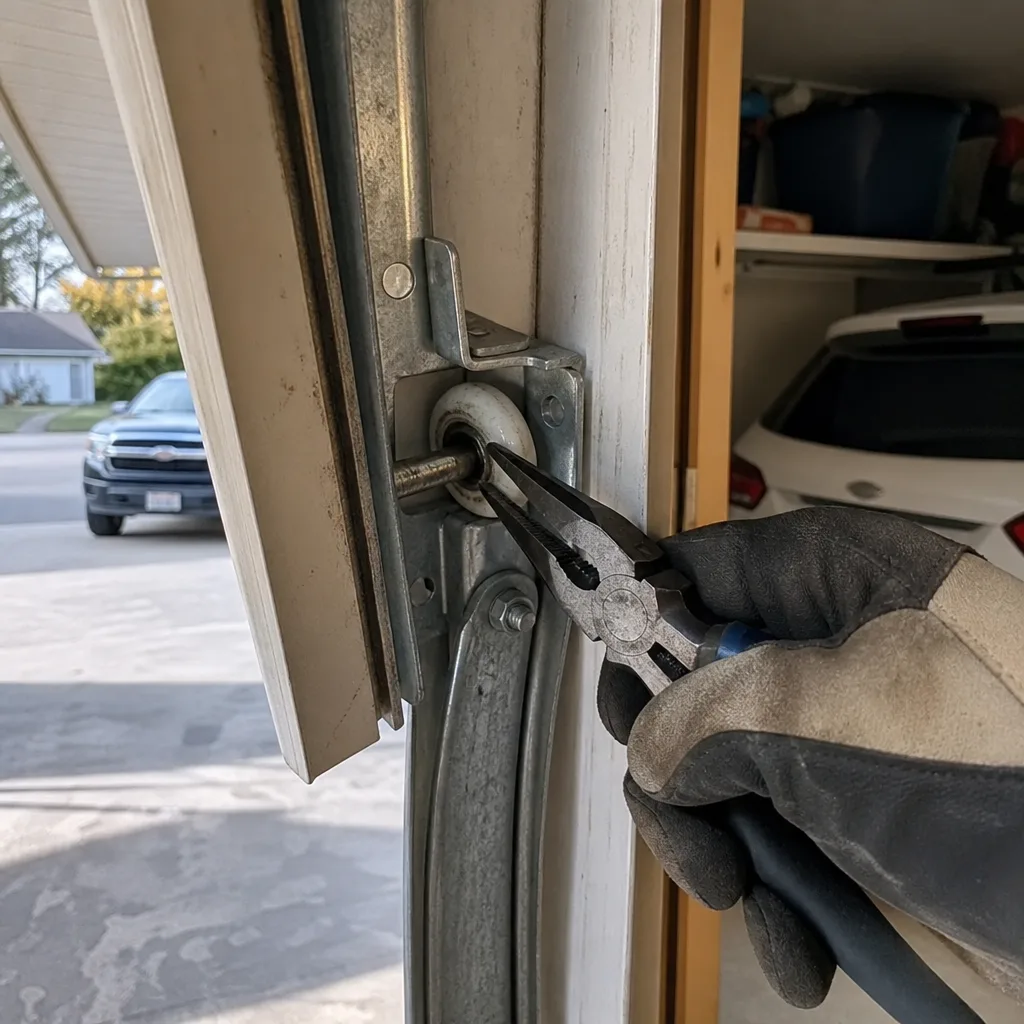
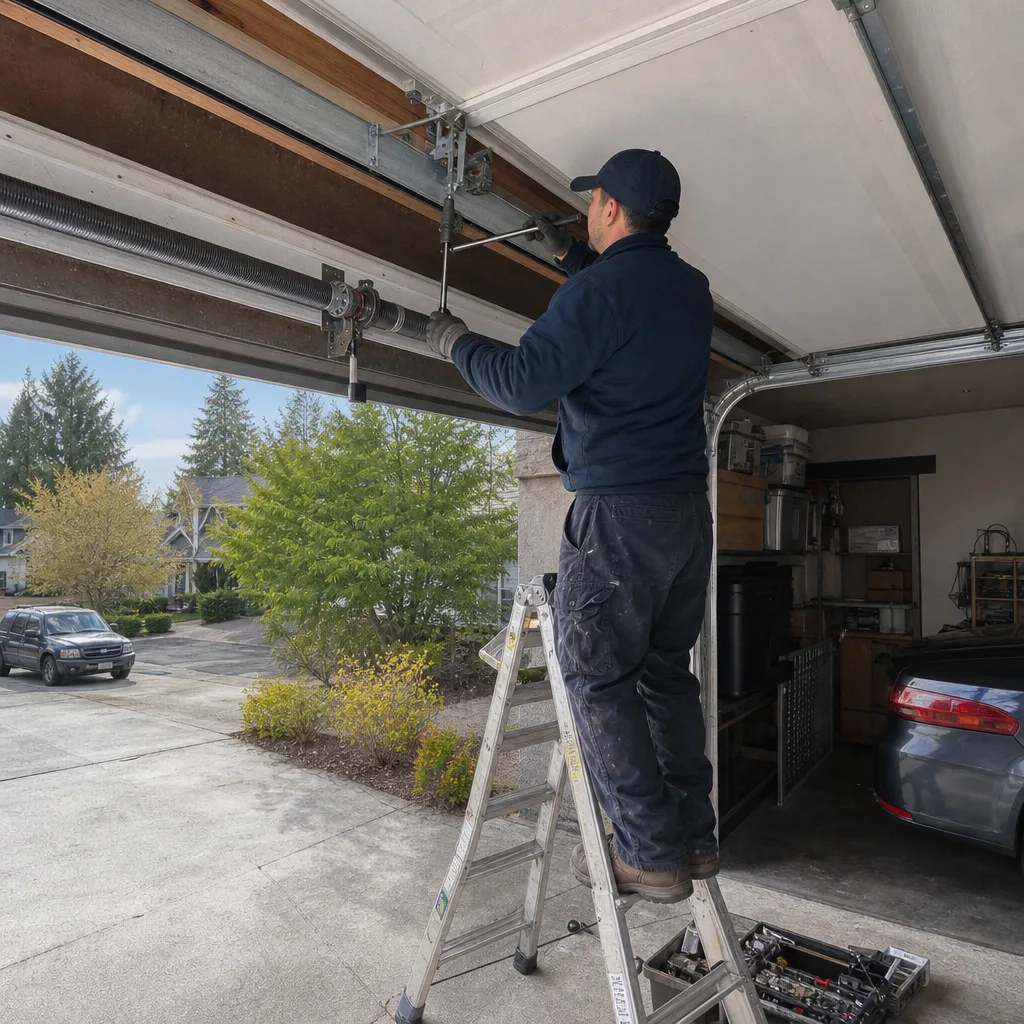
Torsion spring replacement is the most common garage door repair, and the most commonly botched. The springs hold enormous tension - a standard 2-car door spring stores roughly 10,000 foot-pounds of energy - and incorrect specification creates safety hazards and premature failure. Here’s what to ask.
What Type of Spring?
Most residential garage doors in Bellevue use torsion springs mounted above the door opening, not extension springs running along the horizontal tracks. Torsion springs are safer and last longer. If a contractor proposes converting your torsion system to extension springs, ask why - this is sometimes done to cut costs, and it’s usually a downgrade.
What Cycle Rating?
Spring life is measured in cycles (one open/close). Standard springs are rated for 10,000 cycles. Higher-cycle springs (25,000 or 50,000) cost more upfront but last 2-5x longer. A Bellevue homeowner opening their garage 4 times daily will exhaust a 10,000-cycle spring in about 7 years. Ask what cycle rating you’re getting, and calculate whether the upgrade pays for itself. We typically quote both options with the break-even math.
One Spring or Both?
Garage doors with two torsion springs often break one at a time. Some contractors quote replacing only the broken spring, leaving the older spring with mismatched wear. The remaining spring fails soon after, requiring another service call. Ask explicitly: does your labor quote include both springs? Our standard is to replace torsion springs in pairs unless the existing springs are clearly matched-age and the customer specifically requests otherwise - and we document that choice in writing.
What Wire Diameter and Length?
Proper spring specification requires measuring wire diameter, inner diameter, and overall length. A spring with correct length but wrong wire diameter will over- or under-torque the door, causing opener strain and safety issues. The technician should measure and record these specs, not eyeball it. At Servo, this measurement is part of the documented photo record - you see the caliper reading on the old spring and the spec sheet for the new one.
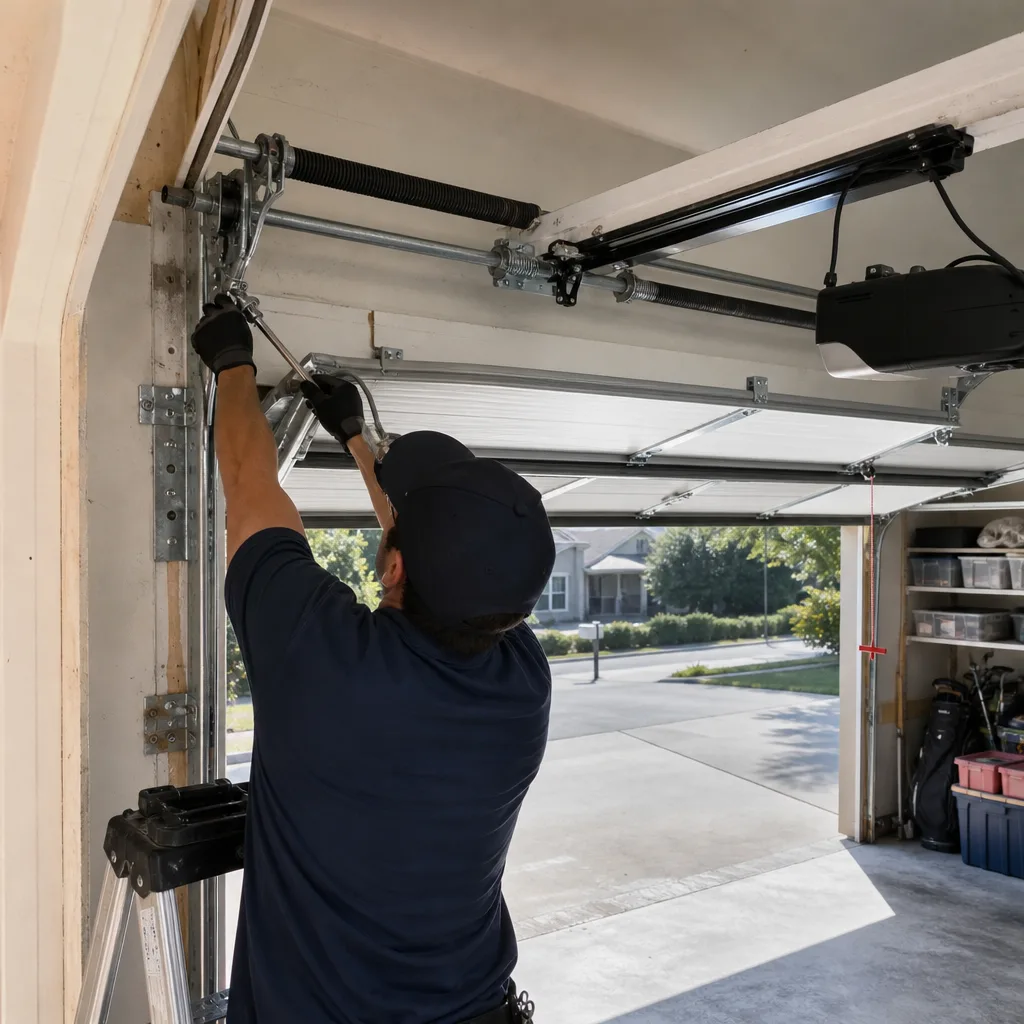
Safety note: Torsion spring replacement involves winding a high-tension spring onto a shaft. Incorrect technique can release stored energy suddenly, causing serious injury or death. This work should only be performed by a trained technician with proper winding bars and safety equipment. Do not attempt DIY torsion spring replacement.
Step 5: Set Your Documentation Standard
The best protection against disputes is a paper trail. Here’s what a properly documented garage door job looks like, and why it’s rare.
The Photo Record Standard
Clause 4 of The Haven Standard requires the technician to photograph the failed component before quoting a replacement. This isn’t customer service theater - it’s evidence. You see the crack in the torsion spring, the corrosion on the bottom bracket, the frayed cable. The photo is attached to your written quote, so the justification for the repair is visible, not asserted.
After work is complete, the documentation should include:
- Photos of installed components with identifying labels visible
- Written scope of work actually performed
- Final invoice matching the quoted price (or documented change order with your signature)
- Warranty terms in writing
In 18,000+ garage doors since 2015, we’ve never had a pricing dispute where both parties had this documentation. The disputes happen when there’s nothing in writing.
What to Request From Any Contractor
Before signing, ask: “Will I receive photos of what you found and what you installed, in writing, before you leave?” If the answer is no, or “I can text you some pictures,” that’s not a documented record. A proper record is organized, labeled, and delivered in a format you can reference months later when a warranty question arises.
This standard isn’t proprietary to us - hold any garage door repair in Bellevue contractor to it. The ones who refuse are telling you something about how they handle problems.
Step 6: Confirm Brand Authorization and Parts Sourcing
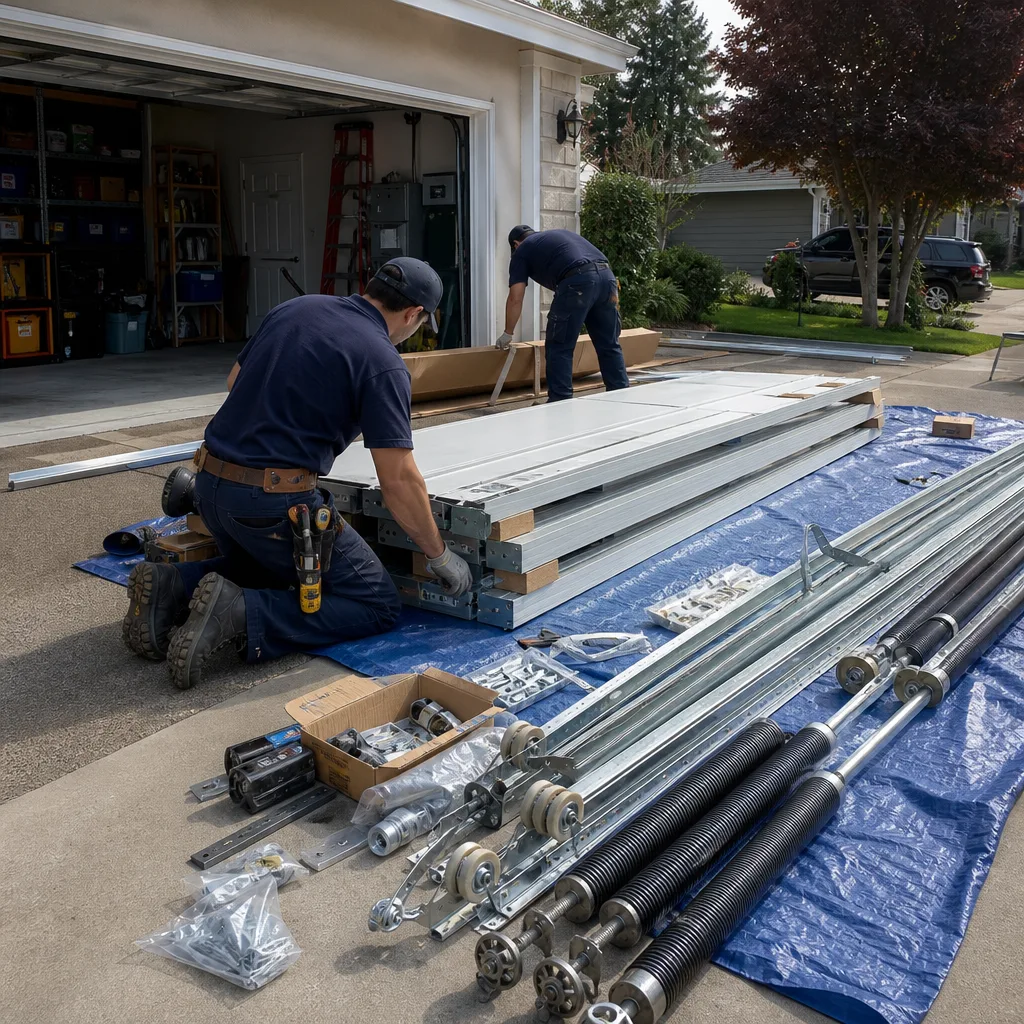
Not all garage door parts are equal, and “compatible with” is not the same as “manufactured by.”
Brand-Specific Authorization
Major manufacturers - LiftMaster, Chamberlain, Genie, Clopay, Amarr, Wayne Dalton, Craftsman, Raynor - authorize dealers who meet training and inventory requirements. Authorized dealers can access factory parts, warranty support, and current technical bulletins. An unauthorized installer using aftermarket parts may save money upfront but voids manufacturer warranties and often installs components that don’t meet original specifications.
Ask specifically: “Are you an authorized dealer for [your door or opener brand]?” and “Will you use factory parts or aftermarket equivalents?” If they hedge, verify with the manufacturer directly. LiftMaster and Chamberlain both maintain dealer locators on their websites.
Parts Provenance in Bellevue’s Climate
Bellevue’s wet winters and occasional freeze-thaw cycles stress garage door components differently than drier climates. Galvanized hardware resists corrosion better than standard steel. Nylon rollers with sealed bearings outlast unsealed bearings in moisture exposure. A contractor who knows the local climate should specify hardware appropriate for it, not just generic “replacement parts” - our Seasonal Garage Door Care for Bellevue guide covers what that looks like year-round.
We service all eight major brands with factory-authorized parts, and we specify hardware upgrades for coastal moisture exposure when relevant. That’s part of the written scope - you see the part number and the reason for the selection.
Common Mistakes to Avoid
- Trusting the lowest phone quote. The contractor who quotes $150 for spring replacement over the phone is planning to arrive, discover your springs are “non-standard,” and charge $400. The low quote is a customer acquisition tactic, not a real price. Bellevue’s market rate for proper torsion spring replacement with warranty typically runs $180-$340 depending on spring specification.
- Skipping the L&I lookup. An unlicensed contractor has no bond and no insurance. If they damage your door, injure themselves on your property, or disappear mid-job, you have no recourse. The two-minute lookup prevents months of frustration.
- Accepting verbal warranty promises. “Lifetime warranty” means nothing without written terms. We’ve seen competitors promise “lifetime” springs that are actually pro-rated after year three, with labor excluded. Get the terms on paper.
- Hiring based on review count alone. Reviews measure customer service, not technical competence. A charming technician can collect five-star reviews while installing undersprung doors that fail prematurely. Check reviews for specific technical details - did the reviewer mention spring cycle rating, part numbers, documentation? That’s the review worth reading.
- Ignoring the permit requirement. New garage door installation in Bellevue may require a permit if structural modifications are involved (enlarging the opening, modifying header support). Unpermitted work can complicate home sales and insurance claims. A contractor who says “permits aren’t needed for this” without checking is cutting corners.
- Not asking about disposal. Old doors, springs, and openers are heavy and often contain hazardous materials (lubricants, electronics). Confirm whether removal and disposal are included in the quote, or whether you’ll be left with a pile of scrap in your driveway.
- Failing to compare apples to apples. One quote for a Clopay Classic Collection steel door with 2-inch insulation and another for an uninsulated single-layer door aren’t comparable. Request the same specifications from each contractor, or the cheapest quote may be for the cheapest product.
When to Call a Professional
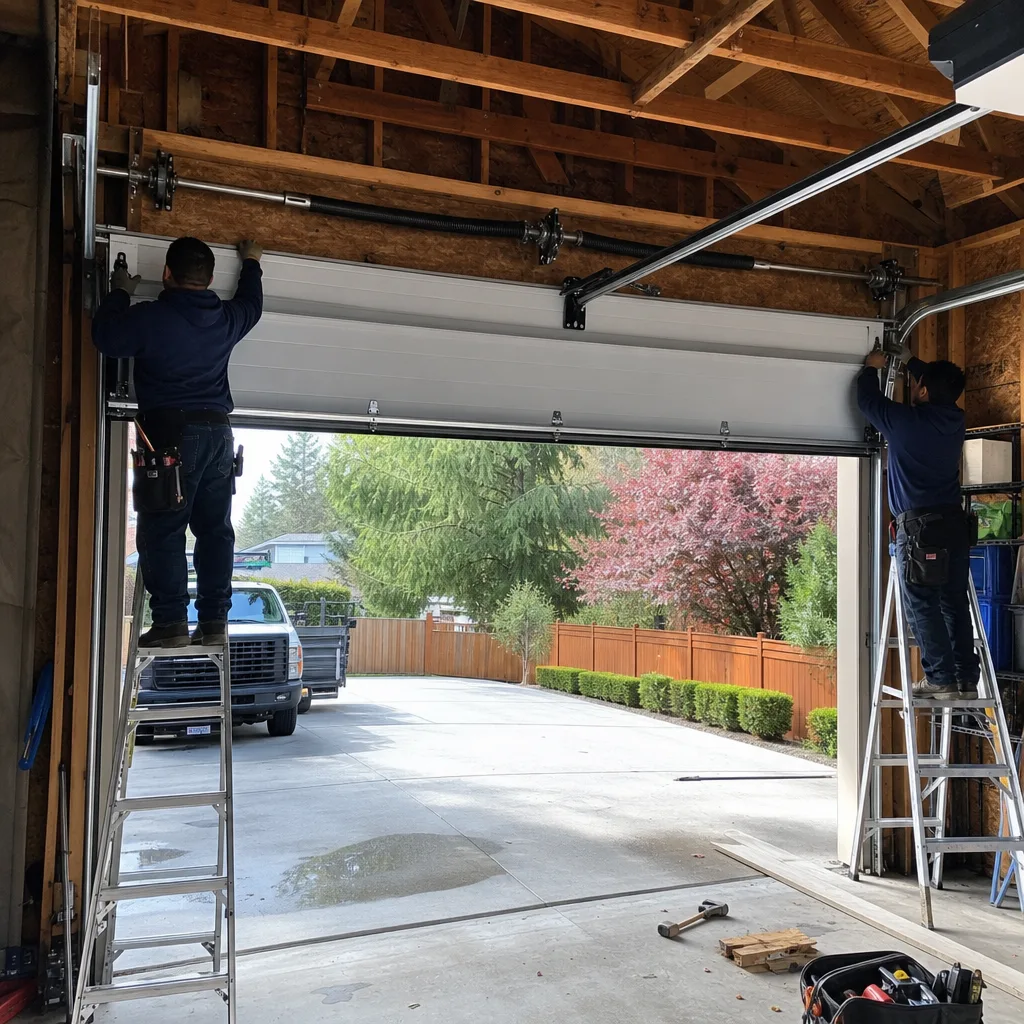
Some garage door issues are maintenance items you can handle - lubricating hinges, testing photo-eye alignment, clearing track debris. Others require professional intervention:
- Broken torsion or extension spring (door won’t lift, or lifts unevenly)
- Door off-track or cable detached from drum
- Opener motor runs but door doesn’t move (stripped gear or broken trolley carriage)
- Panel damage affecting door alignment or weather seal
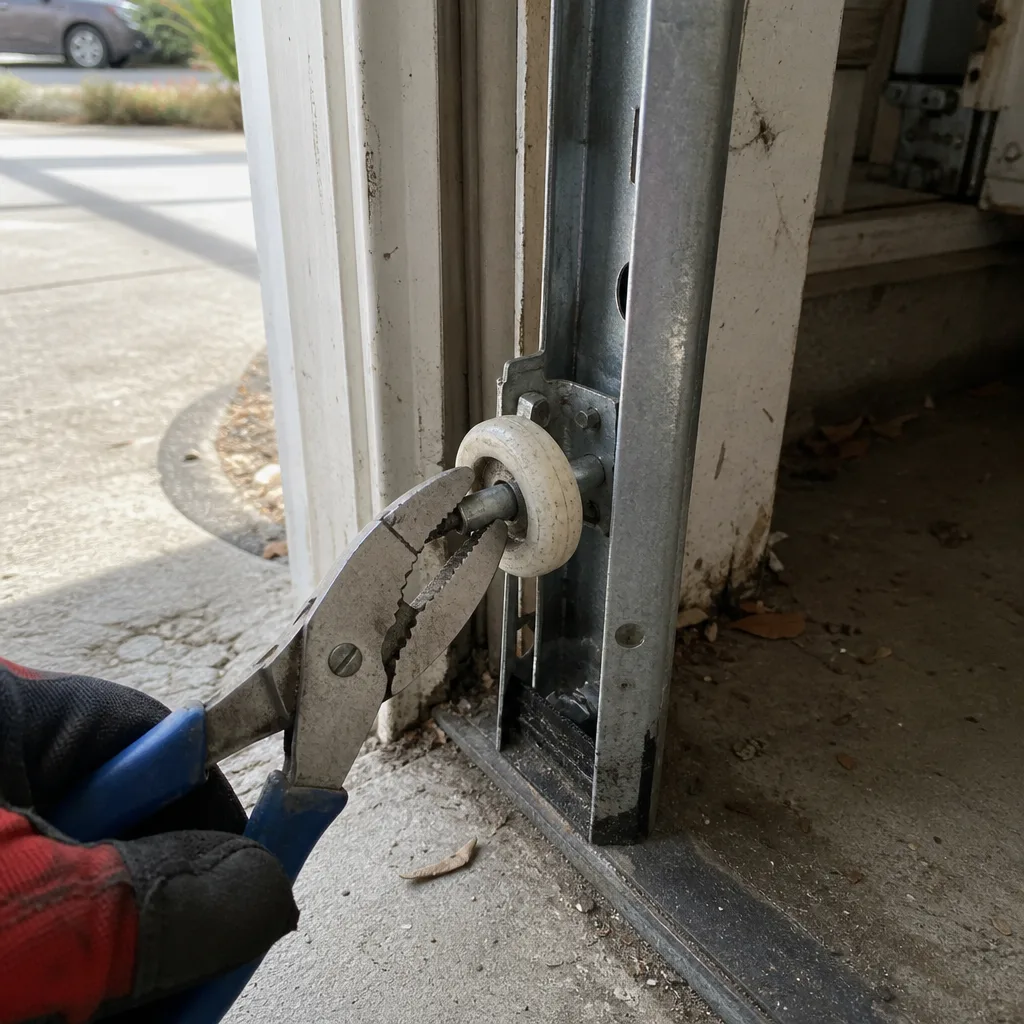
- Noisy operation with visible component wear (frayed cable, cracked roller, bent hinge)
These situations involve high-tension components, electrical systems, or structural alignment that improper handling can worsen. The cost of a botched DIY repair typically exceeds the original professional repair, and the safety risks are real.
Servo Garage Doors Bellevue offers free estimates throughout Bellevue - from Crossroads to Somerset, from Wilburton to West Bellevue. Call (425) 696-3561 to schedule a measure and written quote, or bring a competing estimate for our Free Second Opinion review.
Frequently Asked Questions
Most common repairs in Bellevue run $180-$340 for torsion spring replacement, $150-$280 for opener repairs (logic board, limit switch, or trolley carriage), and $200-$450 for cable or roller replacement depending on door size and hardware grade. Full door replacement typically ranges $1,200-$3,800. Call (425) 696-3561 for an exact quote - estimates are free, and the written price is agreed before any work starts.
Visit secure.lni.wa.gov/verify/ and enter the contractor’s registration number or business name. Confirm Status shows “Active,” the bond is current, and insurance is on file. The lookup takes under two minutes and is the only way to confirm legitimate licensing, since business cards and websites can display expired or borrowed numbers.
You can get a rough range, but not a binding quote. Spring length, wire diameter, door weight, and header condition require physical inspection. Any contractor promising a firm price without seeing your door is either padding heavily or planning to renegotiate. Insist on a free site visit and written quote.
Four line items minimum: part number and description, unit cost per part, labor rate with scope defined, and warranty term per component. The quote should also show the contractor’s license number, insurance certificate reference, and your signature line with “no work begins until signed” language.
Permits are required for structural modifications - enlarging the opening, modifying header support, or electrical work beyond like-for-like opener replacement. Simple door replacement in the existing opening typically doesn’t require permitting, but confirm with Bellevue Development Services if your project involves framing changes. A contractor who dismisses permitting without checking is a red flag.
Visible signs include a gap in the torsion spring coils, the door feeling heavy or opening unevenly, loud bang when the spring breaks, or the opener straining to lift. Torsion springs typically last 7-12 years depending on cycle rating and use frequency. Don’t test a suspected broken spring by disconnecting the opener and lifting manually - the door can fall suddenly. Call a professional for inspection.
The Bottom Line
Hiring a garage door contractor in Bellevue comes down to documentation and verification, not charm or urgency - explore more guides & resources to protect your investment. Verify the license on L&I. Demand four line items on every written quote. Ask spring-specific questions about type, cycle rating, and whether both springs are included. Refuse phone-only pricing and “today only” pressure. Set your standard for photo documentation and hold every contractor to it.
The contractors who meet these standards aren’t hiding - they’re the ones who welcome your questions and leave written evidence behind. The ones who resist are telling you exactly how the job will go.
Call (425) 696-3561 for a free estimate. You’ll get a flat, written price and written scope before any work starts - Clause 1 of The Haven Standard - plus a documented photo record of what we find and what we do. No deposit required. No urgency theater. Just evidence.
Written by Marcus Deller, Owner at Servo Garage Doors Bellevue, serving Bellevue since 2015.