
Full 25-point door and opener safety check with every visit - springs, cables, rollers, tracks, and your LiftMaster or Chamberlain opener included
You get a price before we start. It does not change when the truck arrives.
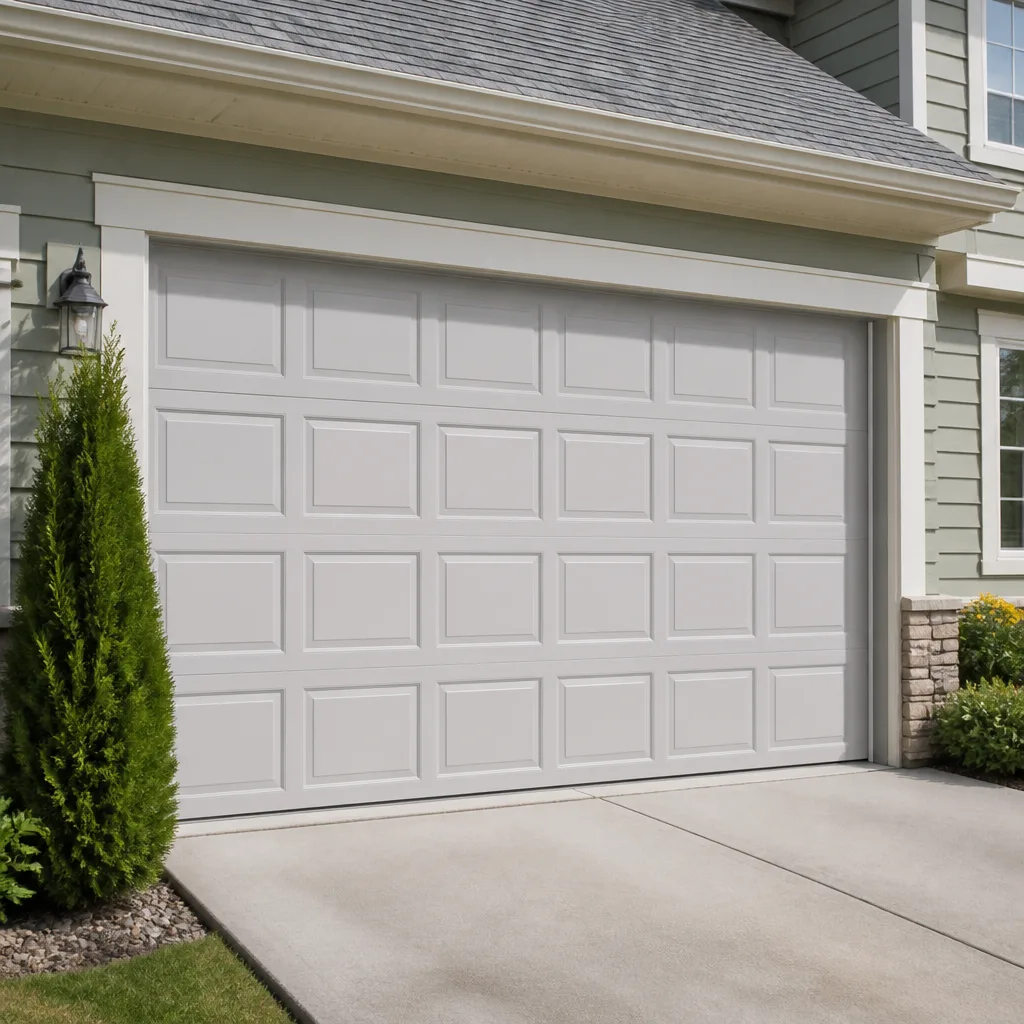
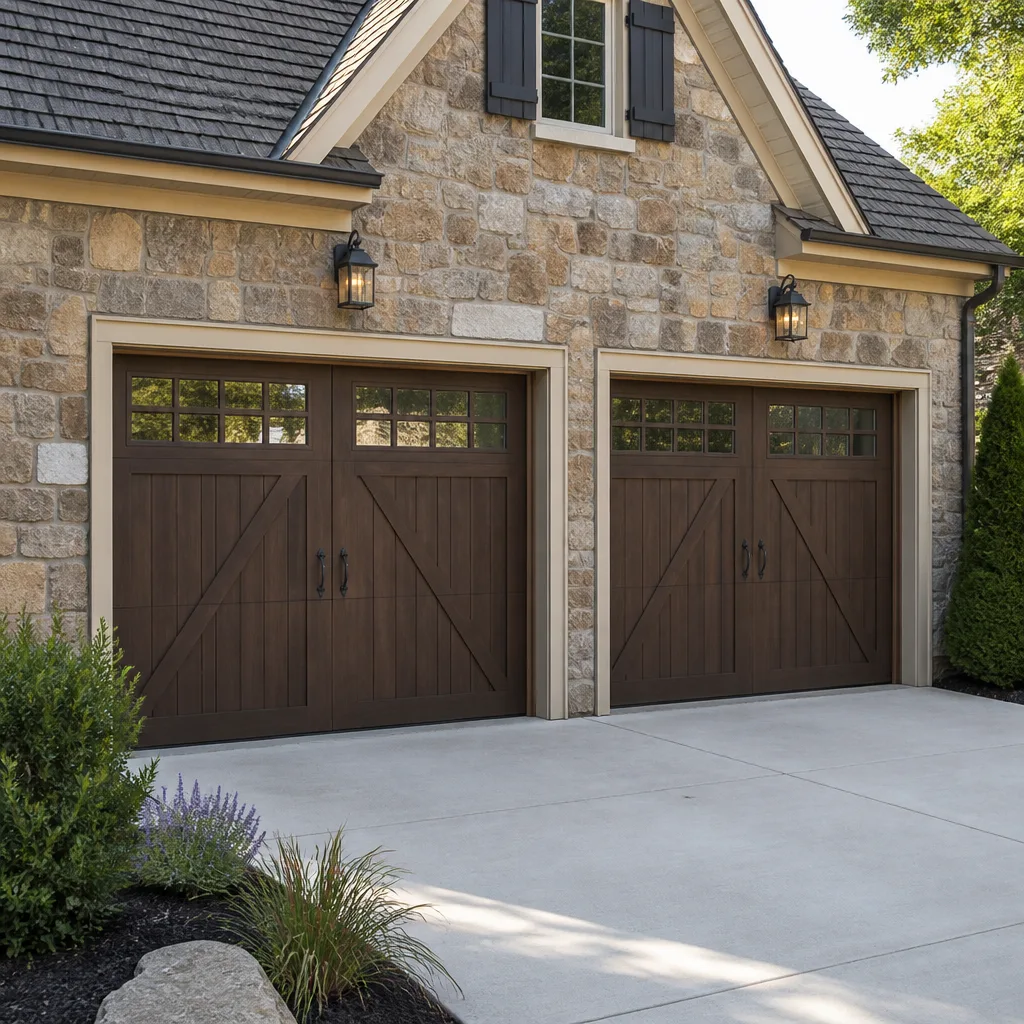
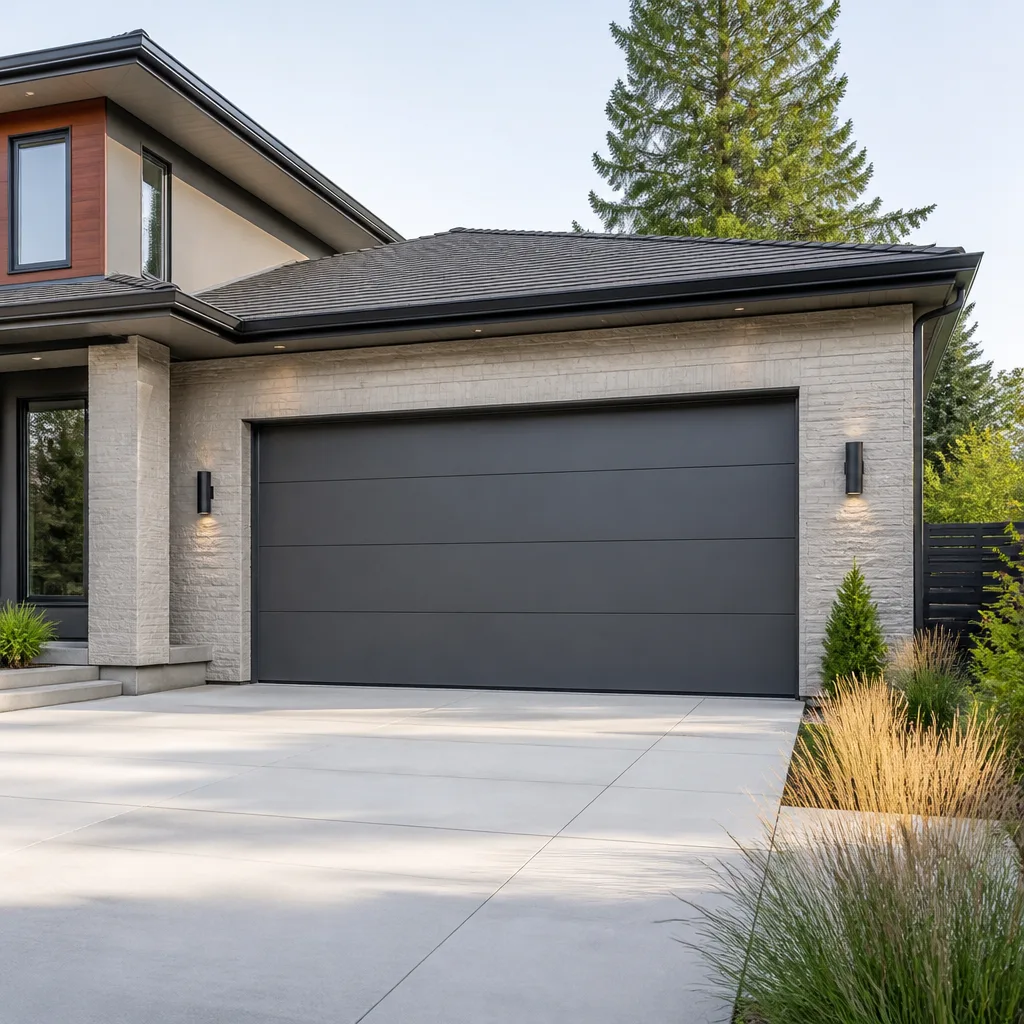
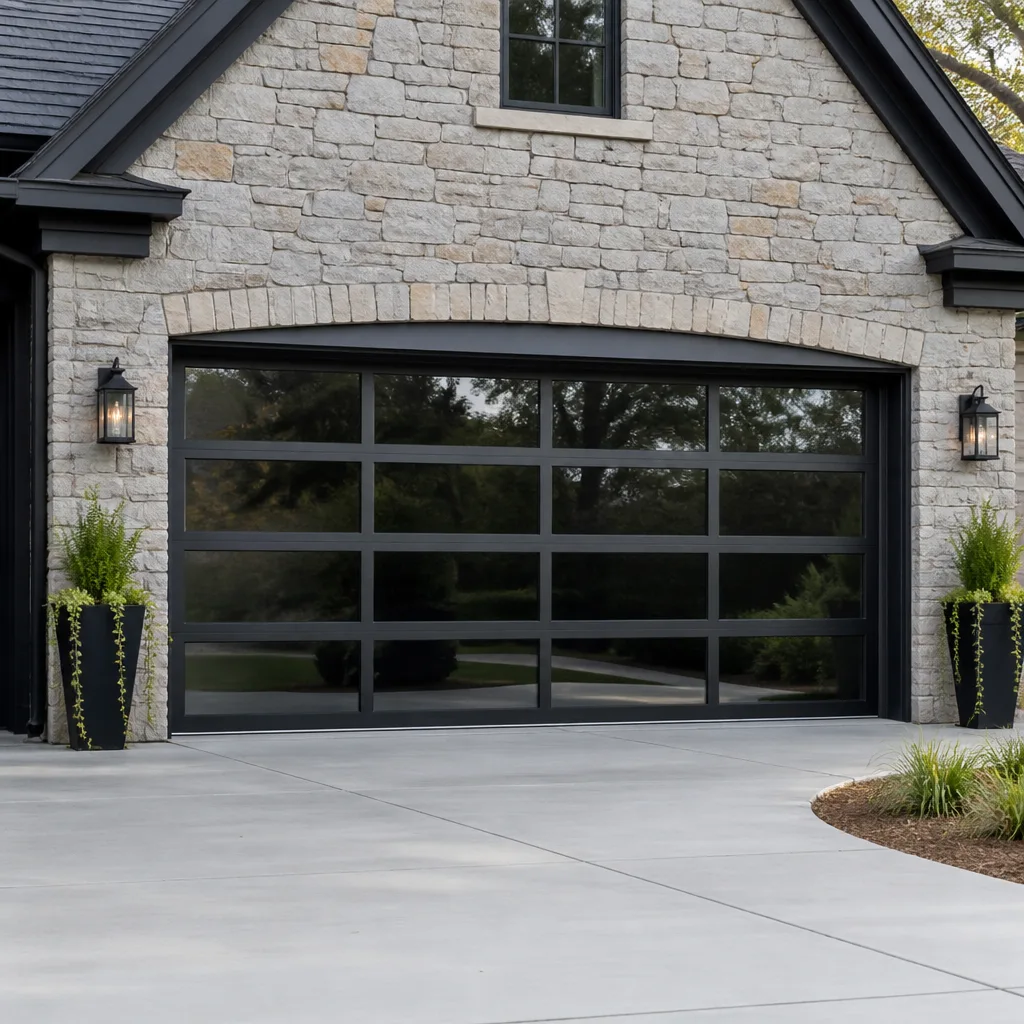
 Before
 After
After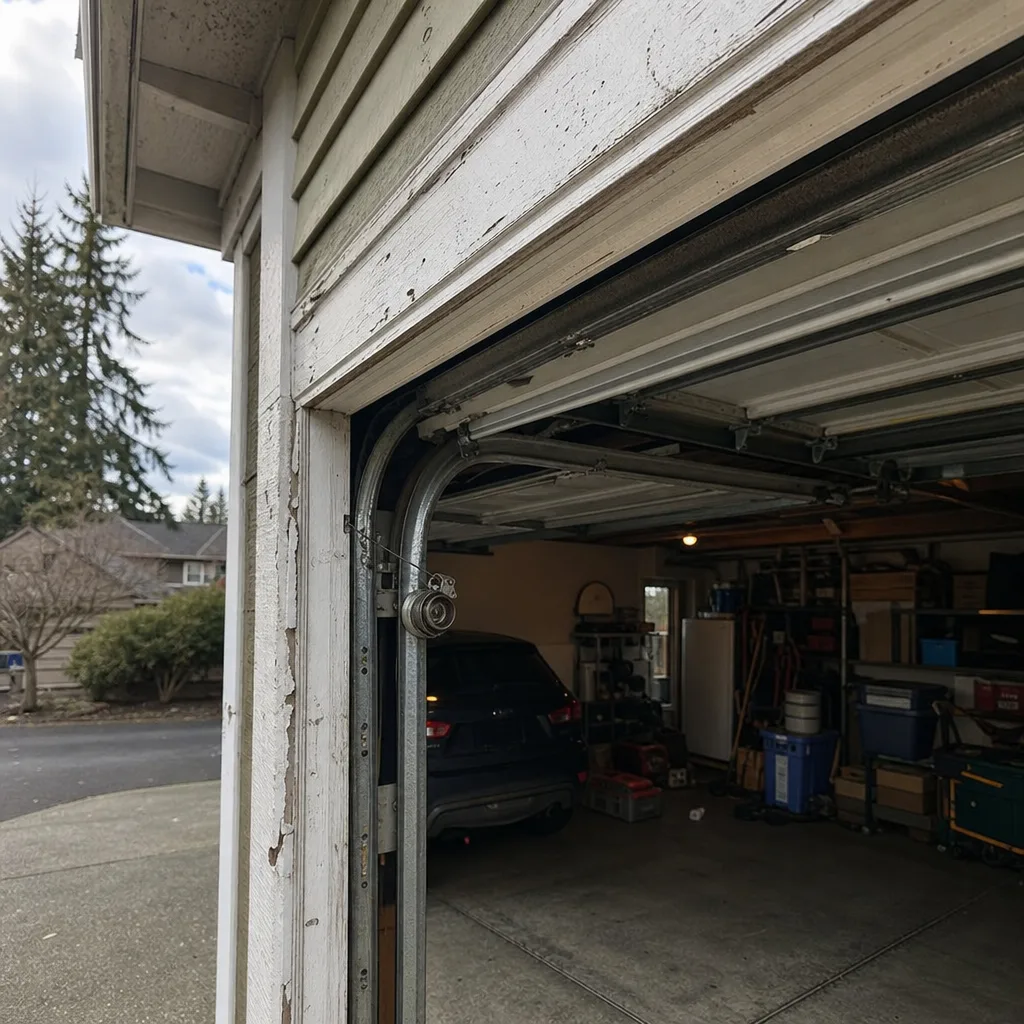 Before
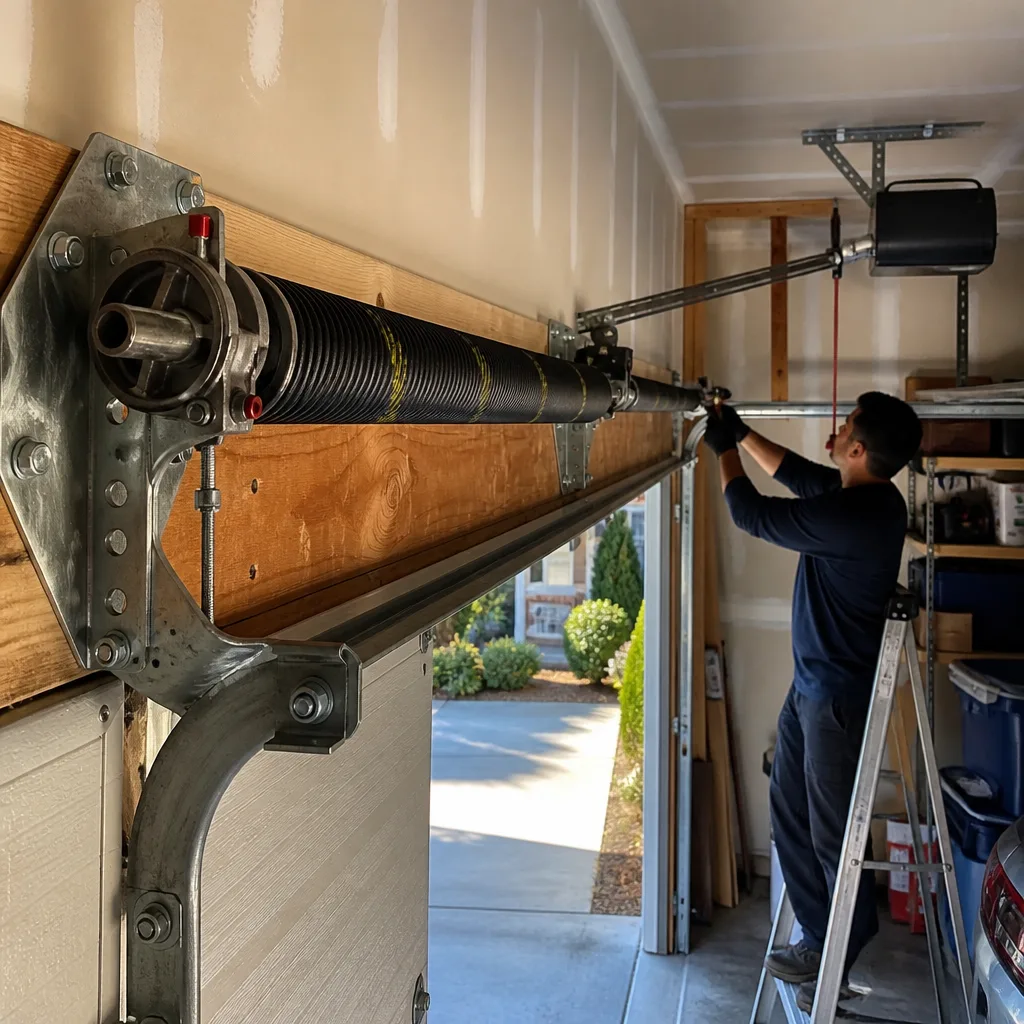 After
After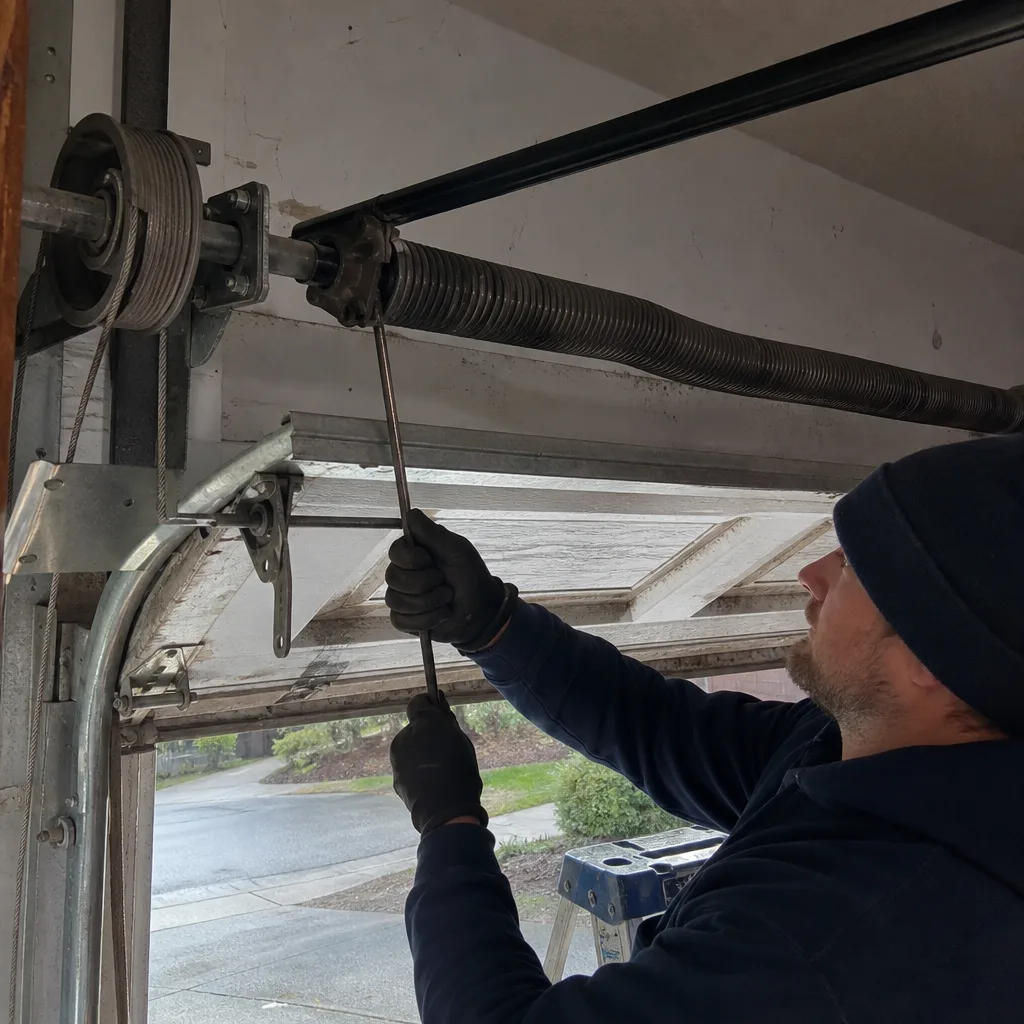 Before
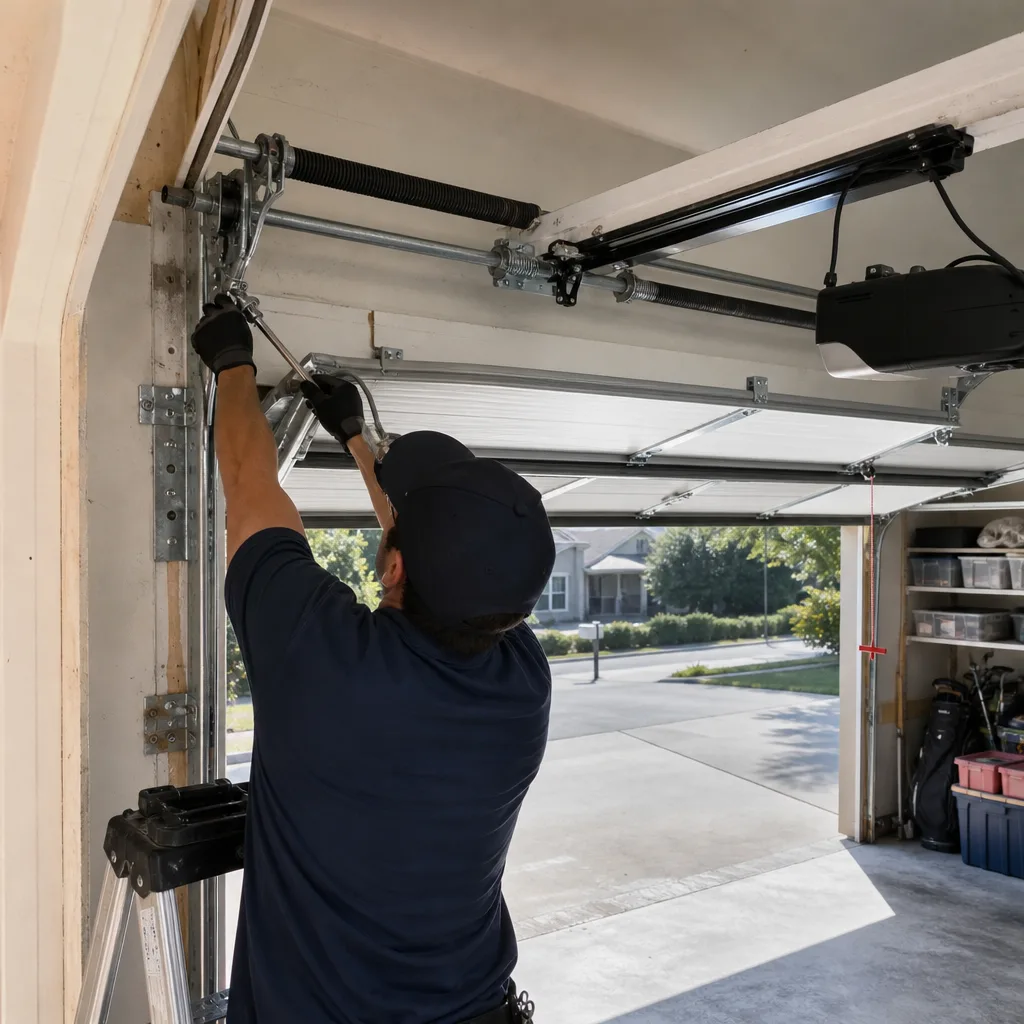 After
AfterRaynor Weather Seal Replacement: The Bellevue Owner’s Guide
Raynor weather seal replacement in Bellevue typically runs $110-$220 installed, and we stock the common Raynor profiles on our trucks for same-day service. The seal is the rubber or vinyl strip along the bottom of your door that compresses against the concrete to block water, wind, and pests. Most Bellevue owners notice the failure first in November when the rains return and water starts seeping under the door onto the garage floor.
We see this call spike every autumn in neighborhoods like Crossroads and Lake Hills, where the older Raynor doors from the 2005-2015 era are hitting the 15-20 year mark on their original seals. The Puget Sound’s marine climate accelerates the breakdown: UV exposure in summer hardens the vinyl, then winter saturation makes it crack. Once the seal loses compression, you’re looking at more than a puddle. Cold air infiltration drives up heating costs if the garage is attached, and the gap becomes an entry point for rodents that are already looking for dry ground.
Marcus Deller and our crew have been replacing these on Bellevue’s Eastside since 2015. Name the part, quote the range, then do the work. That’s how we handle every weather seal call.
Which Raynor Models This Applies To
Raynor has used several bottom seal profiles across its product lines, and getting the wrong one means a gap that still leaks. The three most common on Bellevue homes are the T-style bulb seal (used on Raynor Advantage and Raynor StyleView steel doors from roughly 2000-2018), the bead-style seal (found on older Raynor DuraCoil and certain custom wood doors), and the wider astragal seal on commercial-grade Raynor Relente and ThermaSeal models.
To identify yours, look for the Raynor model sticker on the interior side of the door, usually on the top section or the left vertical track. If the sticker is gone, measure the width of the seal retainer channel on the bottom of the door: T-style channels are 5/16-inch, bead-style are 1/4-inch, and astragal retainers are 1-inch or wider. We carry OEM-compatible Raynor seals and quality aftermarket equivalents from North Shore Commercial Door and Action Industries. For most residential applications, the aftermarket EPDM rubber seal outperforms the original vinyl in our climate because it stays flexible below 40 degrees and resists the ozone cracking we see near Lake Washington’s shoreline.
One compatibility gotcha: Raynor’s newer Admiral and General series (2019+) switched to a proprietary pinch-resistant retainer that accepts only the factory seal profile. We stock that specific profile, but it’s not interchangeable with the older T-style even if the door width matches.
Signs Your Raynor Weather Seal Replacement Is Failing
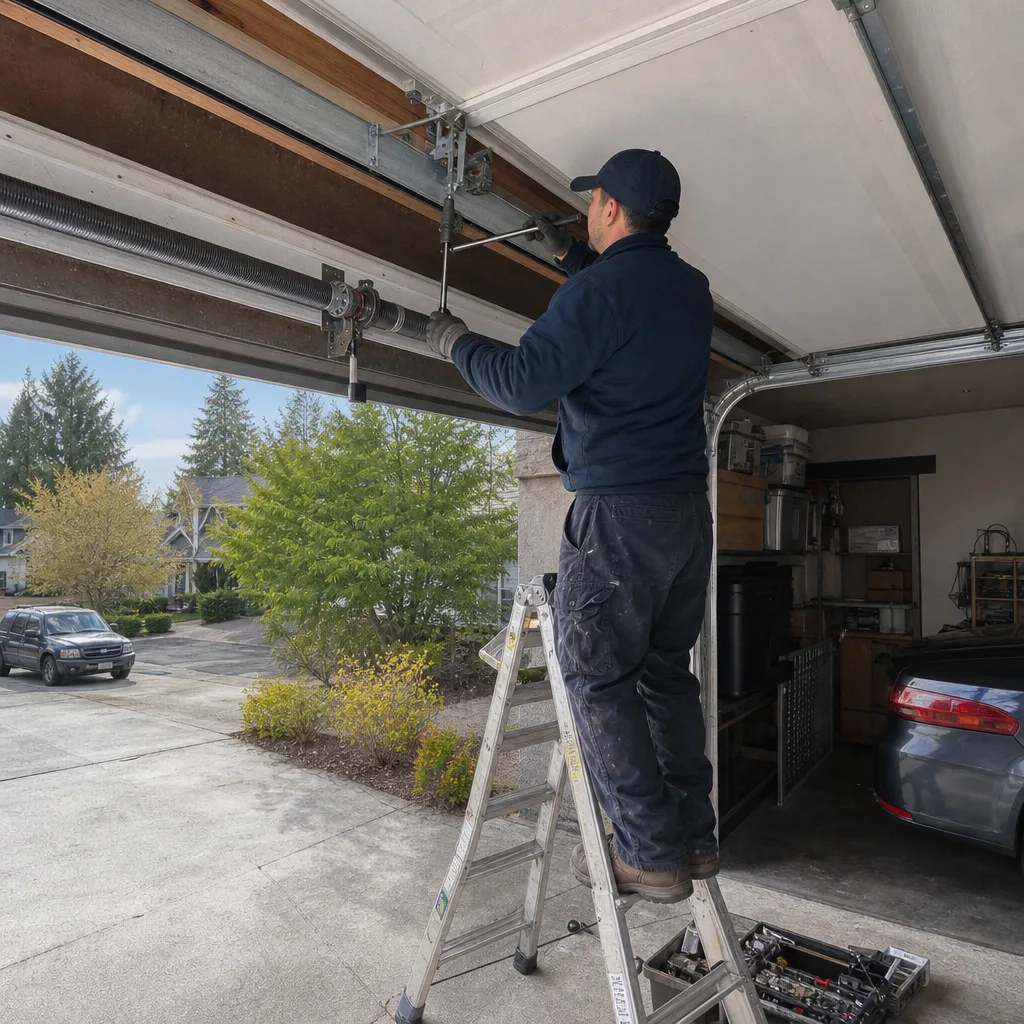
- Water pooling after light rain. The seal should compress enough to create a capillary break. When the vinyl hardens or the bulb flattens permanently, water follows the concrete slope right under the door. In Bellevue’s clay-heavy soils, that water can wick into drywall if the garage is a converted space.
- Visible daylight under the closed door. Close the door on a sunny day and look from inside. Any gap wider than a nickel means the seal has lost its memory and isn’t rebounding. This is the symptom that correlates most directly with heating cost spikes in attached garages.
- Cracks, splits, or missing chunks in the seal. UV degradation hits the south and west-facing doors hardest in Bellevue. The seal surface gets a checked, alligator-skin texture before it splits. Once cracked, the seal tears easily when the door cycles, and we’ve seen cases where a 3-foot section tears clean off.
- Rodent activity or insect trails. Mice can squeeze through a 1/4-inch gap. If you’re finding droppings or seeing trails along the garage wall, the weather seal is the first place to check. The Sammamish River Trail corridor and areas near Kelsey Creek see more rodent pressure than higher, drier neighborhoods like Somerset.
- The door sounds different on closing. A healthy seal compresses and muffles the final 6 inches of travel. When it’s failed, you hear metal or wood hitting concrete directly. That impact stress also transfers to the bottom brackets and can accelerate hinge wear.
 Before
 After
AfterReplacement Cost & What’s Included
Raynor weather seal replacement in Bellevue runs $110-$220 installed. The range accounts for door width (single 8-foot vs. double 16-foot), seal type (standard vinyl vs. EPDM rubber upgrade vs. the proprietary Admiral/General profile), and whether the bottom retainer itself is corroded and needs replacement.
| Component | Price Range |
|---|---|
| Standard vinyl seal, single door | $110-$150 |
| EPDM rubber upgrade, single door | $130-$170 |
| Double 16-foot door, any seal type | $160-$220 |
| Bottom retainer replacement (if rusted) | Add $40-$80 |
Every replacement includes removal of the old seal, cleaning the retainer channel of debris and corrosion, installation of the new seal with proper end seals to prevent water migration, and a cycle test to confirm clean compression across the full width. We photograph the old seal and the installed condition before we leave. The work is covered by our 365-Day Done Right Promise: if it leaks, we come back and make it right. No requote, no argument.
Clause 1 of The Haven Standard means you get the flat, written price before any tool comes out of the truck. The price we quote is the price on the invoice. We don’t do “while we’re here” surprises.
DIY or Call Us?
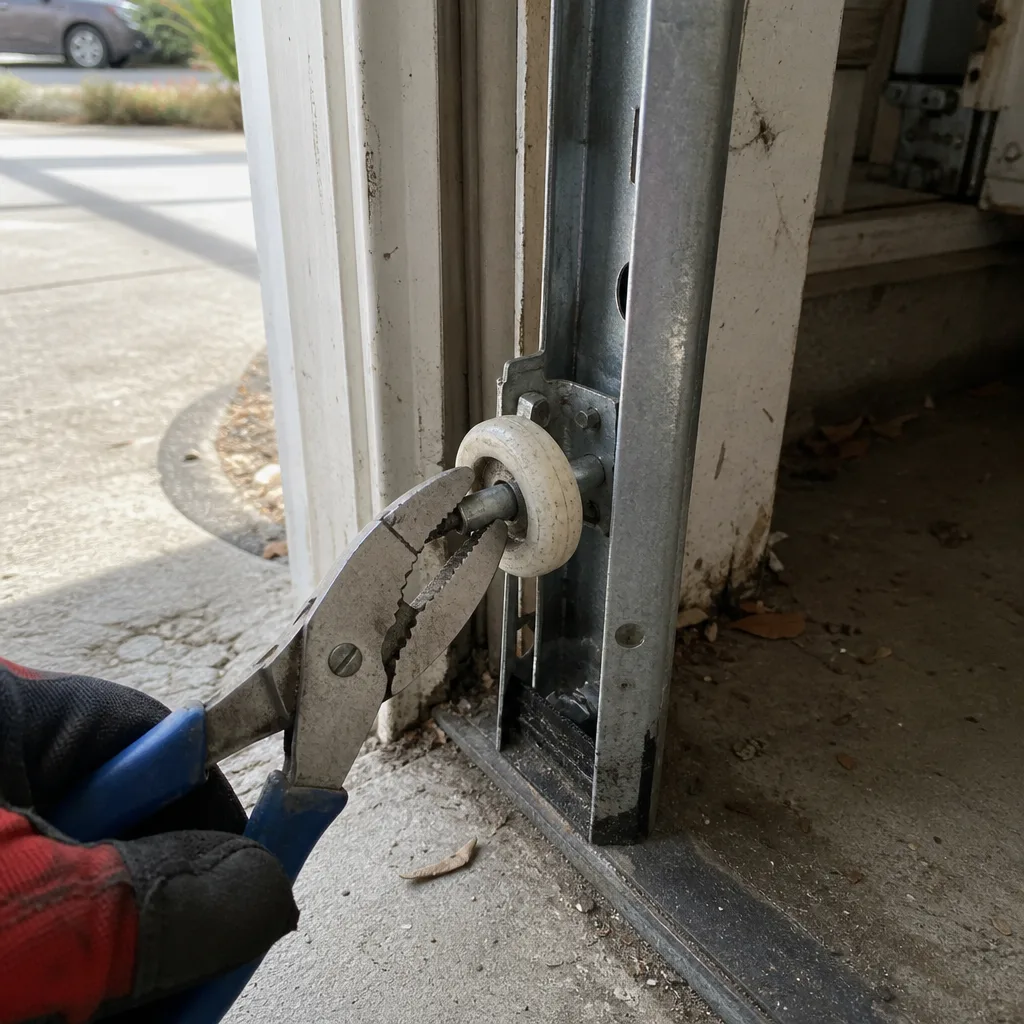
Weather seal replacement is one of the few garage door repairs that doesn’t involve stored tension or electrical hazard, so a capable homeowner can attempt it. The process is straightforward: open the door, clamp it in the raised position, pull the old seal from the retainer channel, and work the new one in from one end. The challenge is getting the seal fully seated without stretching it, which creates gaps, and cutting the ends clean so they don’t bunch.
Where DIY goes wrong: Bellevue’s older Raynor doors often have galvanized steel retainers that have rusted at the screw points. The retainer looks fine until you start pulling the old seal and the metal flakes apart. We’ve also seen homeowners install the seal backwards (bulb facing out instead of down) or use a generic seal that’s too narrow for the channel, so it pulls out within a month. If your door is over 15 years old or you can see rust on the bottom hardware, call us. We’ll assess the retainer condition as part of the free estimate and quote the full job before starting.
Call (425) 696-3561 for a free estimate. We stock the common Raynor profiles and can usually schedule same-day or next-day service in Bellevue.
FAQs
8-12 years for standard vinyl, 12-18 years for EPDM rubber, assuming south- or west-facing exposure in our UV and marine climate. Garages with direct afternoon sun see the shorter end of that range. Call (425) 696-3561 if you’re seeing early failure signs - estimates are free.
No. Once the vinyl or rubber has hardened, cracked, or lost compression, there is no adhesive or patch that restores the seal’s function. Replacement is the only fix that stops water and air infiltration. We photograph the damage and quote the replacement before any work starts.
30-60 minutes for a standard residential door, assuming the retainer is in good condition. Double doors or corroded retainers add 20-30 minutes. We carry the parts on our trucks, so there’s no wait for ordering.
Yes. We carry T-style, bead-style, and the proprietary Admiral/General profiles, plus EPDM rubber upgrades in both 8-foot and 16-foot lengths. If you have an unusual Raynor commercial model, we’ll verify the profile before dispatching and source it same-day from our Bellevue warehouse if needed.
Written by Marcus Deller, Owner, Servo Garage Doors Bellevue at Servo Garage Doors Bellevue, serving Bellevue and nearby areas.